Urovo ESL Introduction
Product presentation · 21 slides
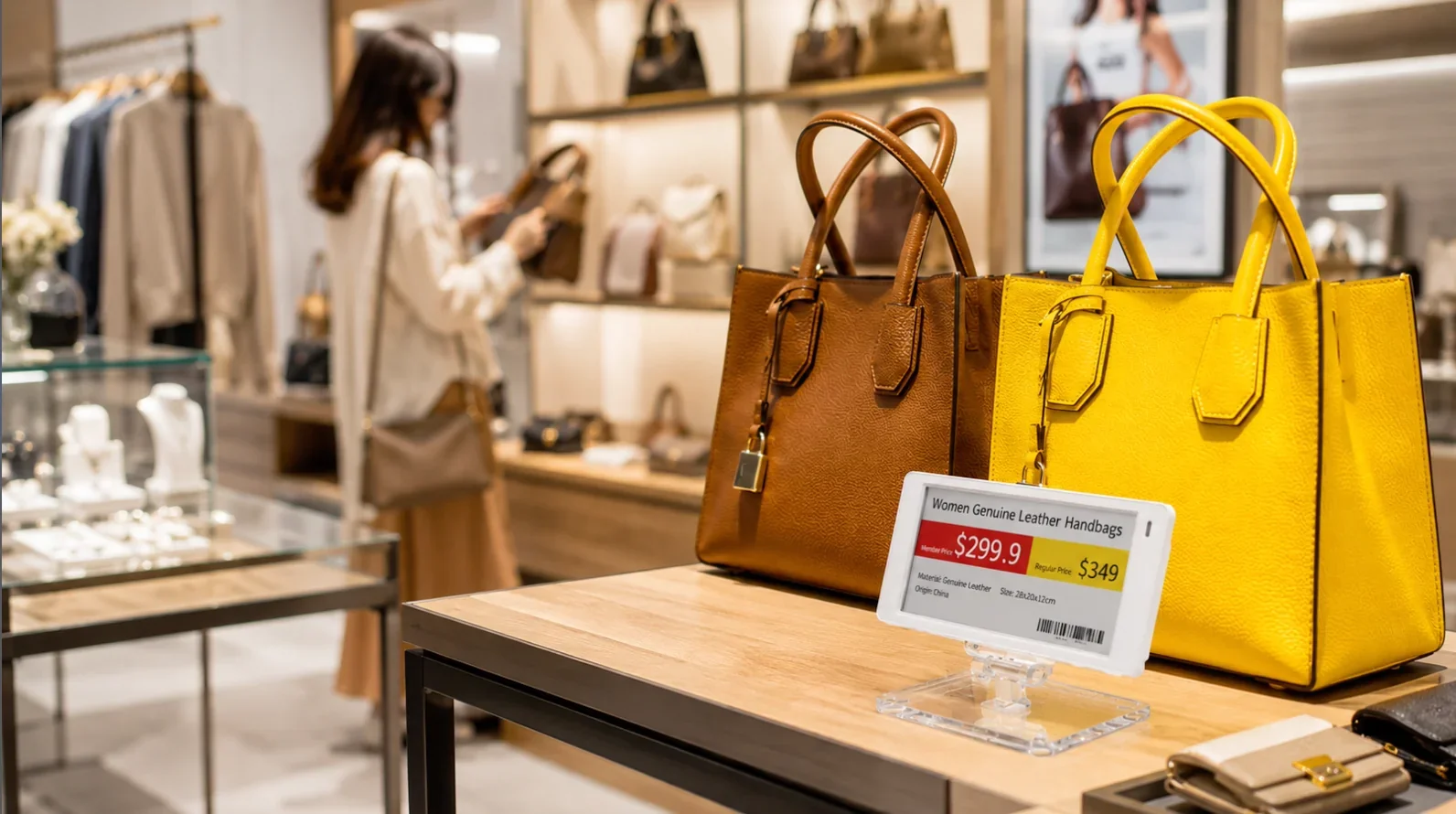
Retail concept scene with an electronic shelf label beside handbags

Urovo ESL Introduction

Electronic Shelf Labels

Sources & image notes

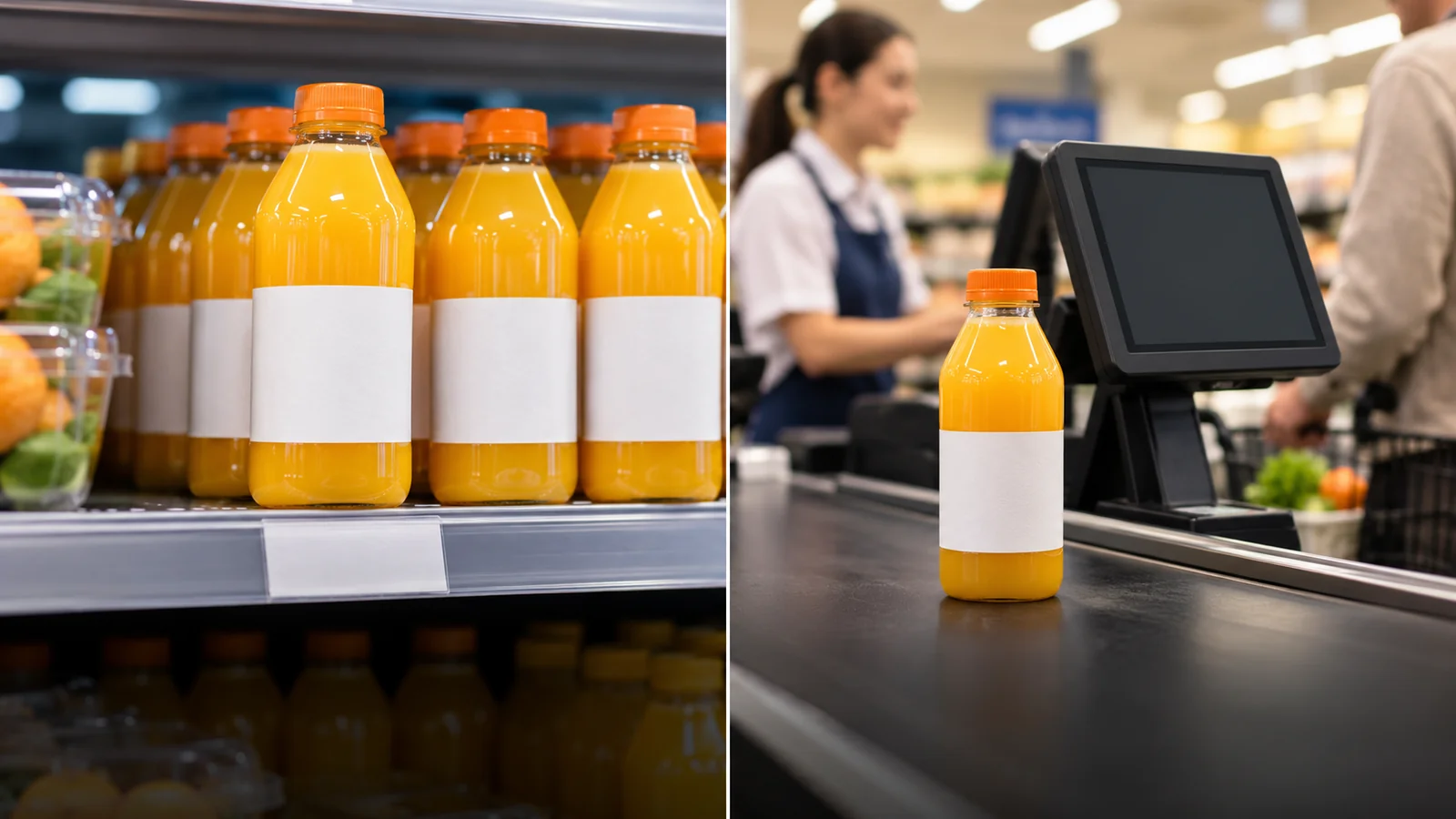
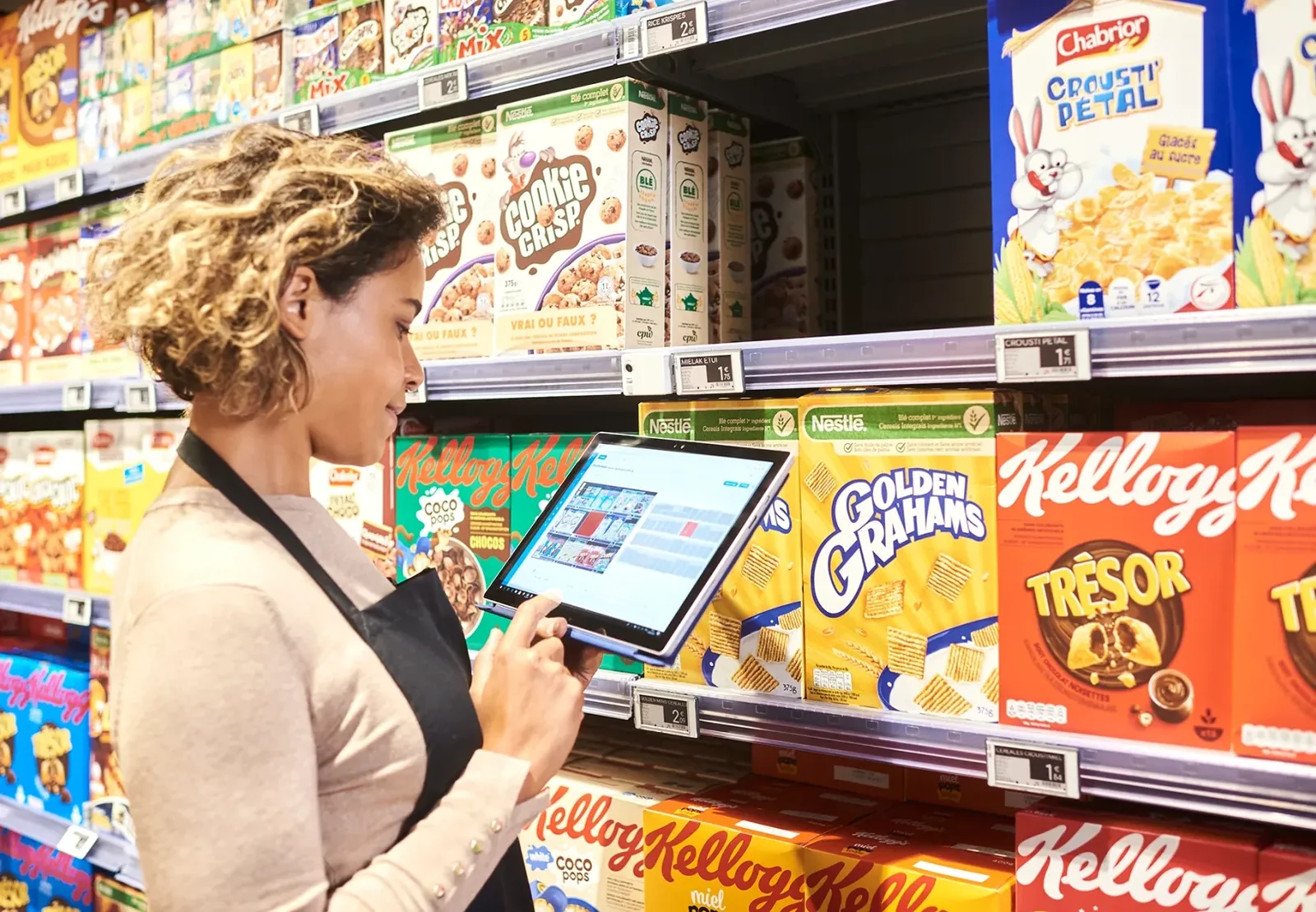
Slide 2 shows a simplified traditional paper-label price-change workflow. Actual store processes vary. Slide 3 presents four conceptual store scenarios based on the qualitative pain points supplied by the user. Use the right and left arrow keys to move between scenarios, or select their headings. Promotional amounts are illustrative, not actual campaign data. The shelf $3.99 versus POS $4.49 comparison is an illustrative example, not observed customer data. No quantified savings are implied.

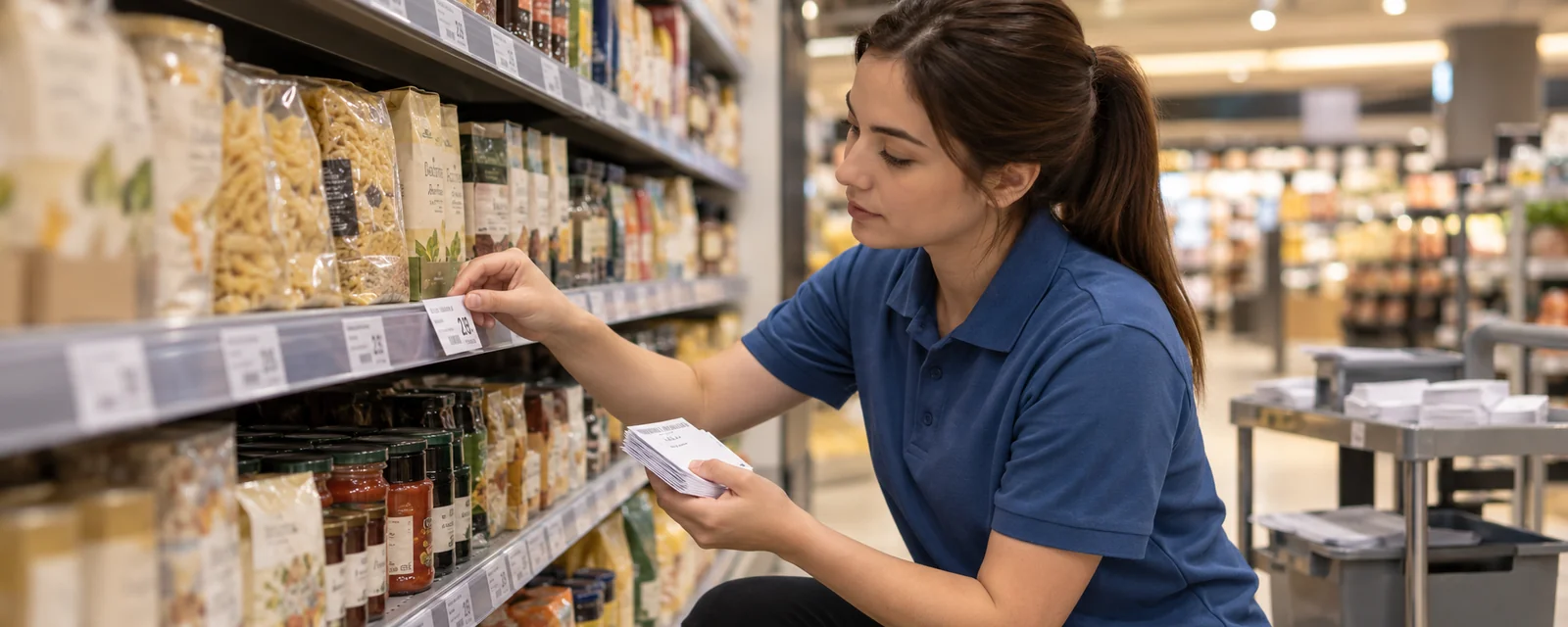
Workflow background: Walmart: pricing work and shelf-label replacement; Colruyt: paper-label work and implementation.

The supermarket scene on slide 2 was created with the built-in image generation tool on 25 October 2026. It illustrates a process and is not a photograph of a customer deployment. The original asset and prompt are retained in presentation/assets/.

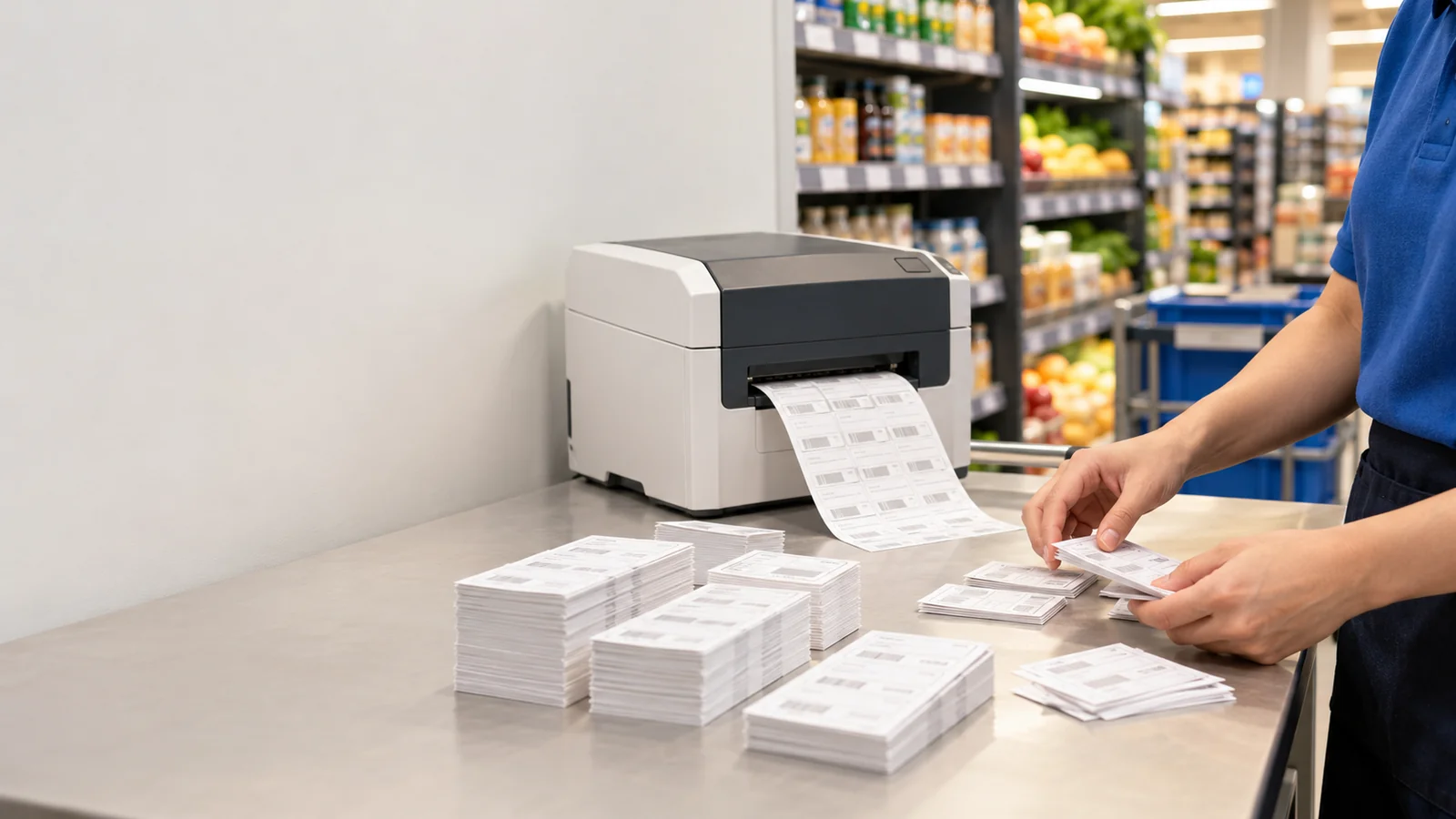
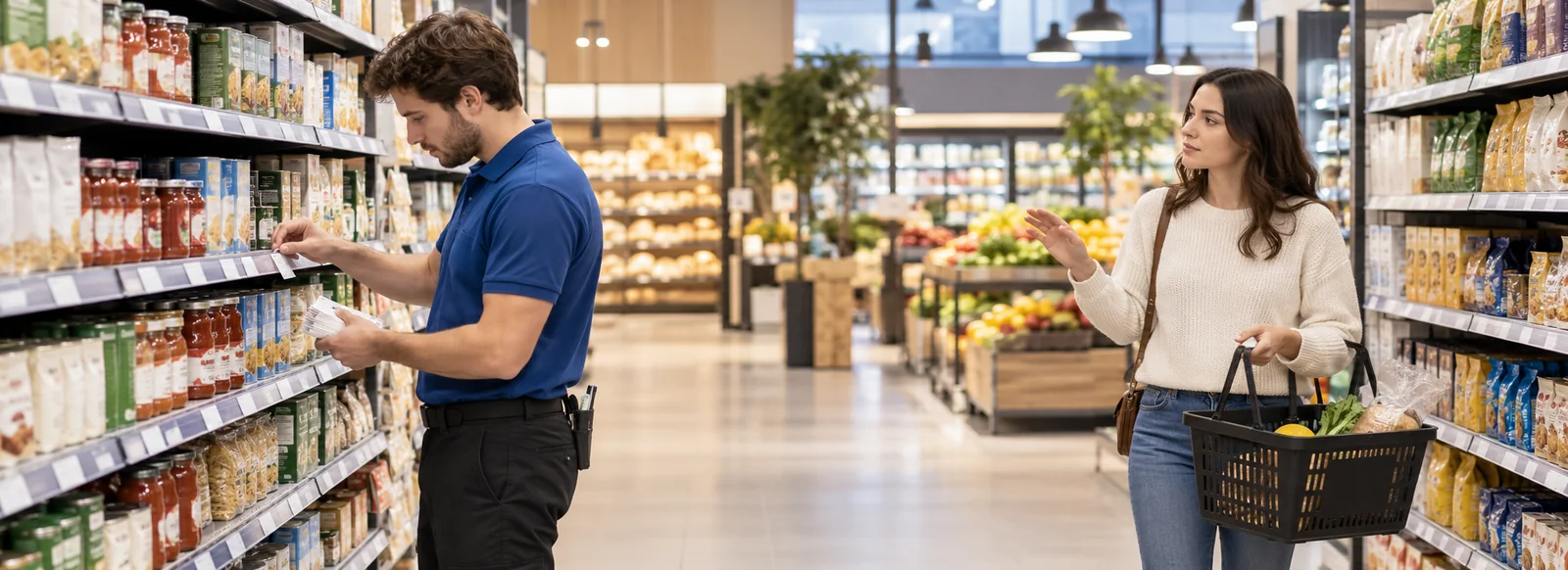
The four wide scenes on slide 3 were generated with the built-in image generation tool on 25 October 2026. They illustrate label workload, repeated price changes, a shelf/checkout mismatch and a waiting customer. They are not photographs of real customer deployments. Their original assets and full prompts are retained in presentation/assets/slide-03-scenes.prompt.md. The photos contain no authoritative price data; price labels and annotations are editable HTML overlays.

Slide 1 uses the user-specified retail concept image and UROVO logo from page 21 of the reference HTML presentation.

Slide 4: product sources and conditions

The six product highlights below the video were supplied by the user on 26 October 2026: MultiColor W/B/R/Y, Battery 7 Years +, LED 3 Colors, Extra Feature NFC, AP Range 50m +, AP Cap Millions +. These user-provided highlights are not independent measurements. Battery life, NFC availability and radio range depend on the exact variant and operating conditions; AP capacity requires an agreed definition and system configuration. The existing model-specific source conditions below still apply.

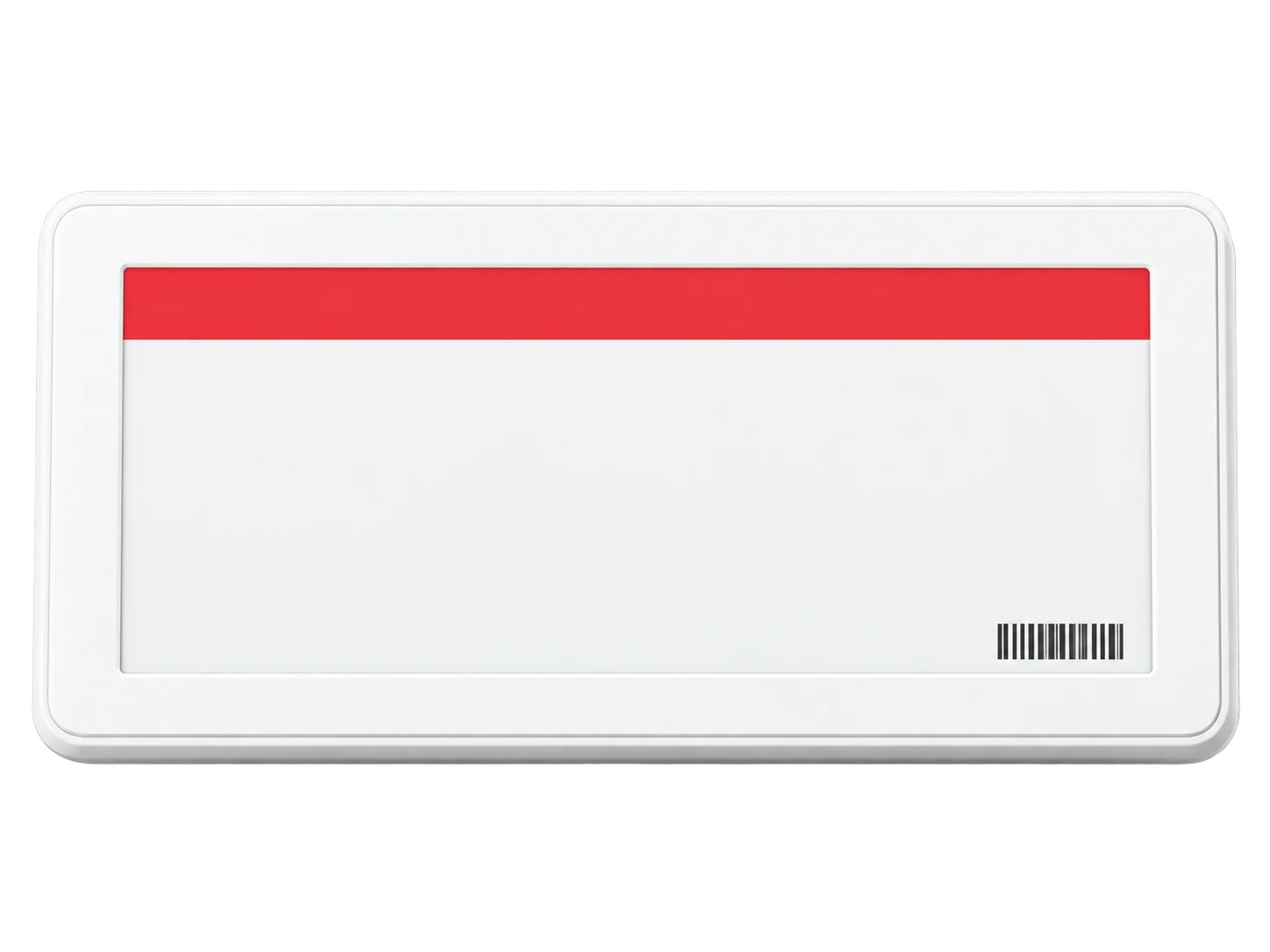
Adapted on 26 October 2026 from the user-selected reference ESL product overview. The six feature groups, nominal size options and image are retained; the first two benefit paragraphs use the user's requested wording. These benefits describe intended workflows, not measured customer savings. Update completion depends on correct price data, item binding, integration and wireless delivery. Monochrome ESLs can also render product images and logos; four-color panels add black, white, red and yellow to the available presentation palette.

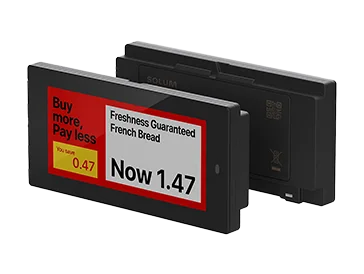
[1] Four format options

The supplied 1.6-inch PDF identifies model T1.6 and a 1.54-inch, 200 × 200 active display. The 2.1-inch PDF gives a 2.13-inch, 250 × 122 display. The supplied T2664 PDF calls its display 2.6 inches and 184 × 360 pixels, while the local Chinese original and overview use 2.66 inches. The 4.2-inch PDF states 400 × 300. The four figures on the slide are nominal size options, not measurements of the label shown in the user-supplied concept image. The brief use cases describe typical layout fit as available display space increases; they are not exclusive assignments or a promise that every template fits every variant. The local Hub previously lacked a valid 1.6-inch spec; the newly supplied valid PDF supports this presentation but does not constitute a knowledge-base synchronization.

/Users/patrickxu/Downloads/ESL(Electronic_Shelf_Label)-1_6_inch-Specs.pdf
/Users/patrickxu/Downloads/ESL(Electronic_Shelf_Label)-2_1_inch-Specs.pdf
/Users/patrickxu/Downloads/ESL(Electronic_Shelf_Label)-2_6_inch-Specs.pdf
/Users/patrickxu/Downloads/ESL(Electronic_Shelf_Label)-4_2_inch-Specs.pdf

[2] Four-color e-paper display

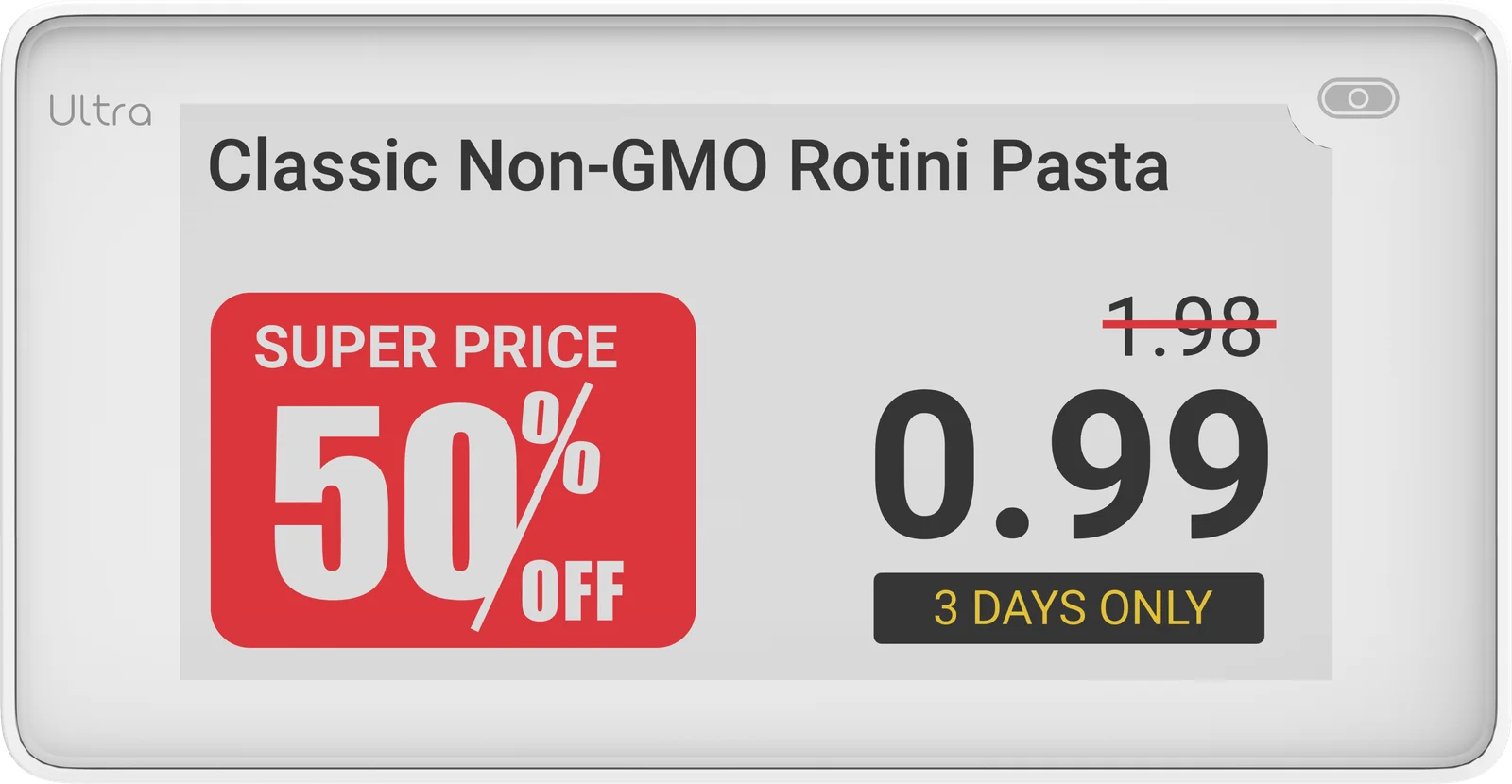
All four supplied specifications support four-color content. The 1.6/2.1/4.2 detailed display tables and the product memory identify black, white, red and yellow. Alternative two/three-color configurations vary by line. Four colors do not mean full RGB color or video. The 1.6/2.1/4.2 specifications state viewing angles greater than 170 degrees; no viewing-angle value is inherited by T2664. Promotion highlighting is a template-design benefit rather than a quantified sales-uplift claim.

/Users/patrickxu/Downloads/ESL(Electronic_Shelf_Label)-1_6_inch-Specs.pdf
/Users/patrickxu/Downloads/ESL(Electronic_Shelf_Label)-2_1_inch-Specs.pdf
/Users/patrickxu/Downloads/ESL(Electronic_Shelf_Label)-2_6_inch-Specs.pdf
/Users/patrickxu/Downloads/ESL(Electronic_Shelf_Label)-4_2_inch-Specs.pdf
/Users/patrickxu/patrick-agent/skill_memories/urovo-product-expert/MEMORY.md

[3] Central wireless price management

The overview slides 16 and 18 describe product/template/tag binding, push updates, flash tasks and execution feedback through the matching base station. The memory explains proprietary 2.4 GHz tag communications, so standard Wi-Fi access points do not replace the ESL base station. Integrating the approved pricing source with the platform can reduce manual replacement and help maintain consistency; it cannot guarantee that every price and checkout record always match. Binding, correct source data and update verification still matter. RF coverage needs a site assessment. Conflicting 30/50/100 m, refresh-throughput and batch-time figures are omitted from this generic introduction.

/Users/patrickxu/patrick-agent/skills/urovo-product-expert/ESL/presentation/overview-en_202608182031/ESL-Presentation-EN-0514.md
/Users/patrickxu/patrick-agent/skill_memories/urovo-product-expert/MEMORY.md

[4] Low power and maintenance planning

The 1.6-inch specification lists one CR2450 and minimum five years. The 2.1-inch specification lists two CR2450 cells and minimum seven years; the 4.2-inch specification lists three CR2450 cells and not less than seven years. No common test profile is stated. T2664 lists two built-in batteries and 3 µA sleep current but no lifetime in years. The older overview claims 15 years under a twice-daily refresh condition; the September memory says at least five years with daily refreshes. These figures cannot be merged into a family-wide guarantee. The main slide therefore emphasizes low power and maintenance planning, not a guaranteed year count. Battery/power sampling is explicit in the 1.6/2.1/4.2 PDFs and the platform overview supports low-battery monitoring.

/Users/patrickxu/Downloads/ESL(Electronic_Shelf_Label)-1_6_inch-Specs.pdf
/Users/patrickxu/Downloads/ESL(Electronic_Shelf_Label)-2_1_inch-Specs.pdf
/Users/patrickxu/Downloads/ESL(Electronic_Shelf_Label)-2_6_inch-Specs.pdf
/Users/patrickxu/Downloads/ESL(Electronic_Shelf_Label)-4_2_inch-Specs.pdf
/Users/patrickxu/patrick-agent/skills/urovo-product-expert/ESL/presentation/overview-en_202608182031/ESL-Presentation-EN-0514.md
/Users/patrickxu/patrick-agent/skill_memories/urovo-product-expert/MEMORY.md

[5] Templates, languages and codes

The 1.6/2.1/4.2 specifications describe text, promotional information, QR codes, barcodes and transmission of language characters/images. T2664 supports custom four-color images addressed to its unique ID. The overview lists customizable templates; memory explains server-side font rendering, sending a rendered image to the tag. Actual font availability, script shaping, reading direction, resolution and code readability need validation with the customer layout. “Any language” is not a promise that every font comes preinstalled.

/Users/patrickxu/Downloads/ESL(Electronic_Shelf_Label)-1_6_inch-Specs.pdf
/Users/patrickxu/Downloads/ESL(Electronic_Shelf_Label)-2_1_inch-Specs.pdf
/Users/patrickxu/Downloads/ESL(Electronic_Shelf_Label)-2_6_inch-Specs.pdf
/Users/patrickxu/Downloads/ESL(Electronic_Shelf_Label)-4_2_inch-Specs.pdf
/Users/patrickxu/patrick-agent/skills/urovo-product-expert/ESL/presentation/overview-en_202608182031/ESL-Presentation-EN-0514.md
/Users/patrickxu/patrick-agent/skill_memories/urovo-product-expert/MEMORY.md

[6] Configurable LED for finding an item

The 1.6/2.1/4.2 specifications list RGB LEDs with configurable flashing. The overview describes visual picking tasks, while memory positions this as occasional product locating rather than a dedicated continuous beacon. LED colors are separate from the four e-paper display colors. The specification says seven combined LED colors; memory describes six, so no exact color count is presented on the slide. T2664 has no explicit LED-function row in the supplied specification. Picking and replenishment guidance require supported hardware, item bindings and an application workflow.

/Users/patrickxu/Downloads/ESL(Electronic_Shelf_Label)-1_6_inch-Specs.pdf
/Users/patrickxu/Downloads/ESL(Electronic_Shelf_Label)-2_1_inch-Specs.pdf
/Users/patrickxu/Downloads/ESL(Electronic_Shelf_Label)-4_2_inch-Specs.pdf
/Users/patrickxu/patrick-agent/skills/urovo-product-expert/ESL/presentation/overview-en_202608182031/ESL-Presentation-EN-0514.md
/Users/patrickxu/patrick-agent/skill_memories/urovo-product-expert/MEMORY.md

[7] Protection is specific to the quoted size and option

The supplied 1.6/2.1/4.2 PDFs list IP65 default and IP68 optional. T2664 has no explicit IP rating in its supplied PDF, so IP65/IP68 are not represented as universal across all four images. The older presentation uses broader IP68 language, which does not override the size-specific tables. IP68 does not by itself establish suitability for pressure washing, detergent exposure or arbitrary immersion. Default four-color 1.6/2.1/4.2 variants generally specify 0–40 °C; T2664 specifies −20–60 °C. Confirm temperature, humidity, refresh behavior and any cold-storage option for the exact model.

/Users/patrickxu/Downloads/ESL(Electronic_Shelf_Label)-1_6_inch-Specs.pdf
/Users/patrickxu/Downloads/ESL(Electronic_Shelf_Label)-2_1_inch-Specs.pdf
/Users/patrickxu/Downloads/ESL(Electronic_Shelf_Label)-2_6_inch-Specs.pdf
/Users/patrickxu/Downloads/ESL(Electronic_Shelf_Label)-4_2_inch-Specs.pdf
/Users/patrickxu/patrick-agent/skills/urovo-product-expert/ESL/presentation/overview-en_202608182031/ESL-Presentation-EN-0514.md
/Users/patrickxu/patrick-agent/skill_memories/urovo-product-expert/MEMORY.md

[8] One ecosystem with deployment options

The overview describes UROVO labels, matching base stations and management platform. Supplied 1.6/2.1/4.2 PDFs support cloud or local deployment, with optional serverless management in a base station. Memory describes integration through RESTful APIs or a separately developed database-polling middleware. API support does not mean zero implementation work or automatic compatibility with every ERP. Phone-only NFC/Bluetooth workflows differ by model and conflict with the memory’s practical emphasis on base-station updates, so they are not advertised as the generic deployment path. NFC is optional in the detailed size tables.

/Users/patrickxu/patrick-agent/skills/urovo-product-expert/ESL/presentation/overview-en_202608182031/ESL-Presentation-EN-0514.md
/Users/patrickxu/Downloads/ESL(Electronic_Shelf_Label)-1_6_inch-Specs.pdf
/Users/patrickxu/Downloads/ESL(Electronic_Shelf_Label)-2_1_inch-Specs.pdf
/Users/patrickxu/Downloads/ESL(Electronic_Shelf_Label)-4_2_inch-Specs.pdf
/Users/patrickxu/patrick-agent/skill_memories/urovo-product-expert/MEMORY.md
Slide 5: solution architecture and conceptual images

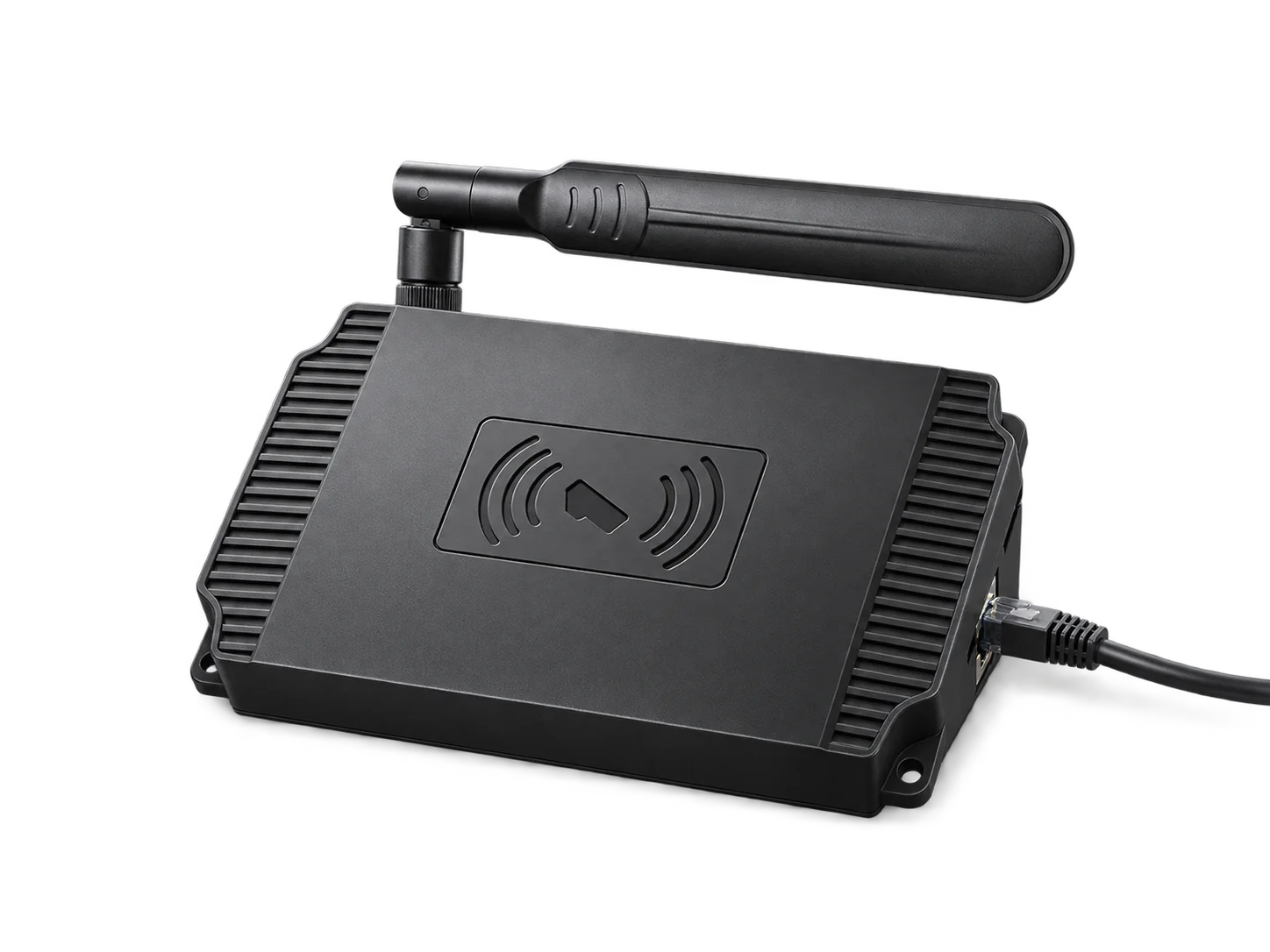
Connection labels are revealed progressively and retained as the demonstration advances: API, WiFi / Ethernet, and 2.4 GHz. WiFi support was confirmed by the user on 26 October 2026. Node labels use Customer Backend and ESL System.

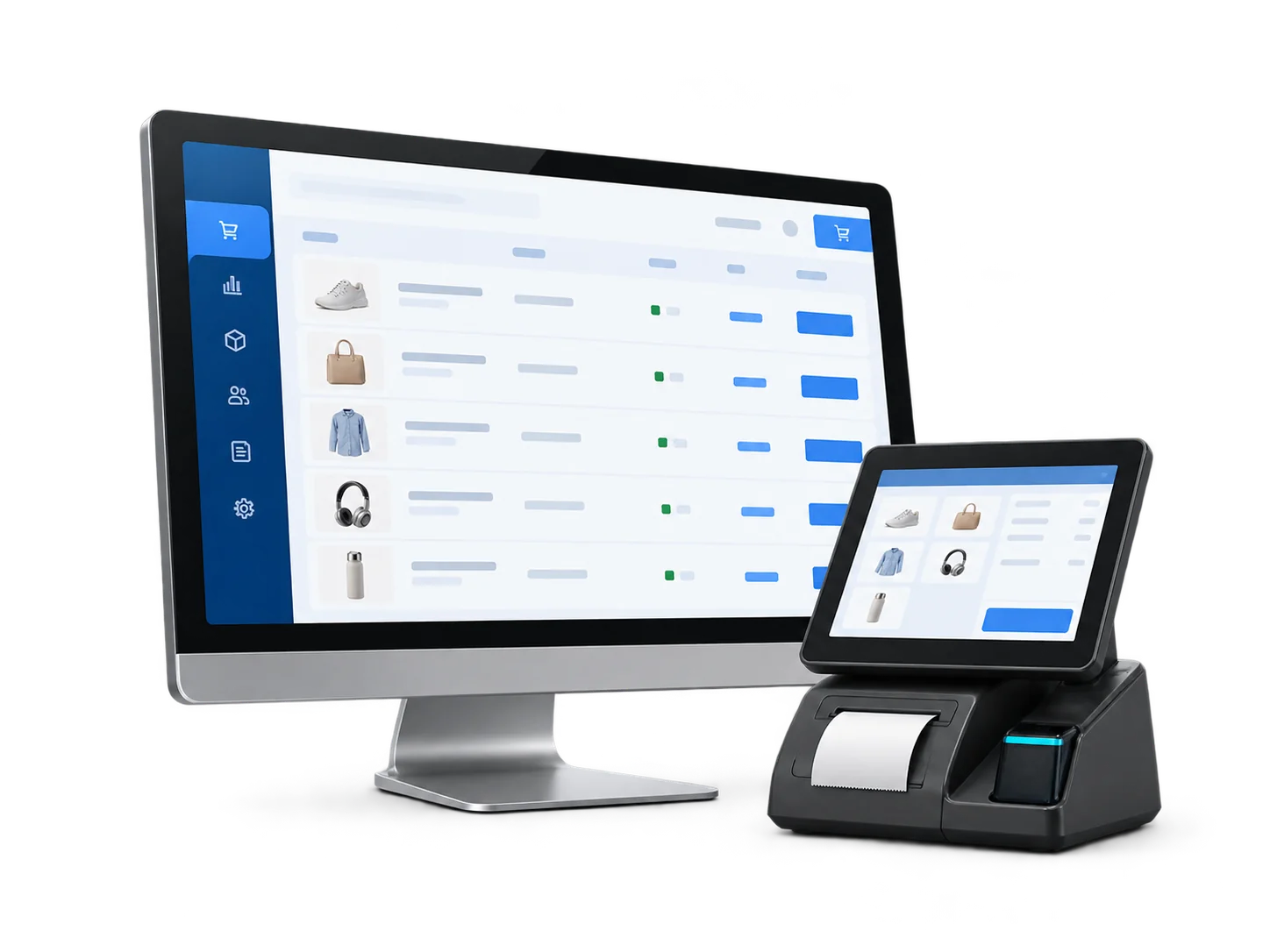
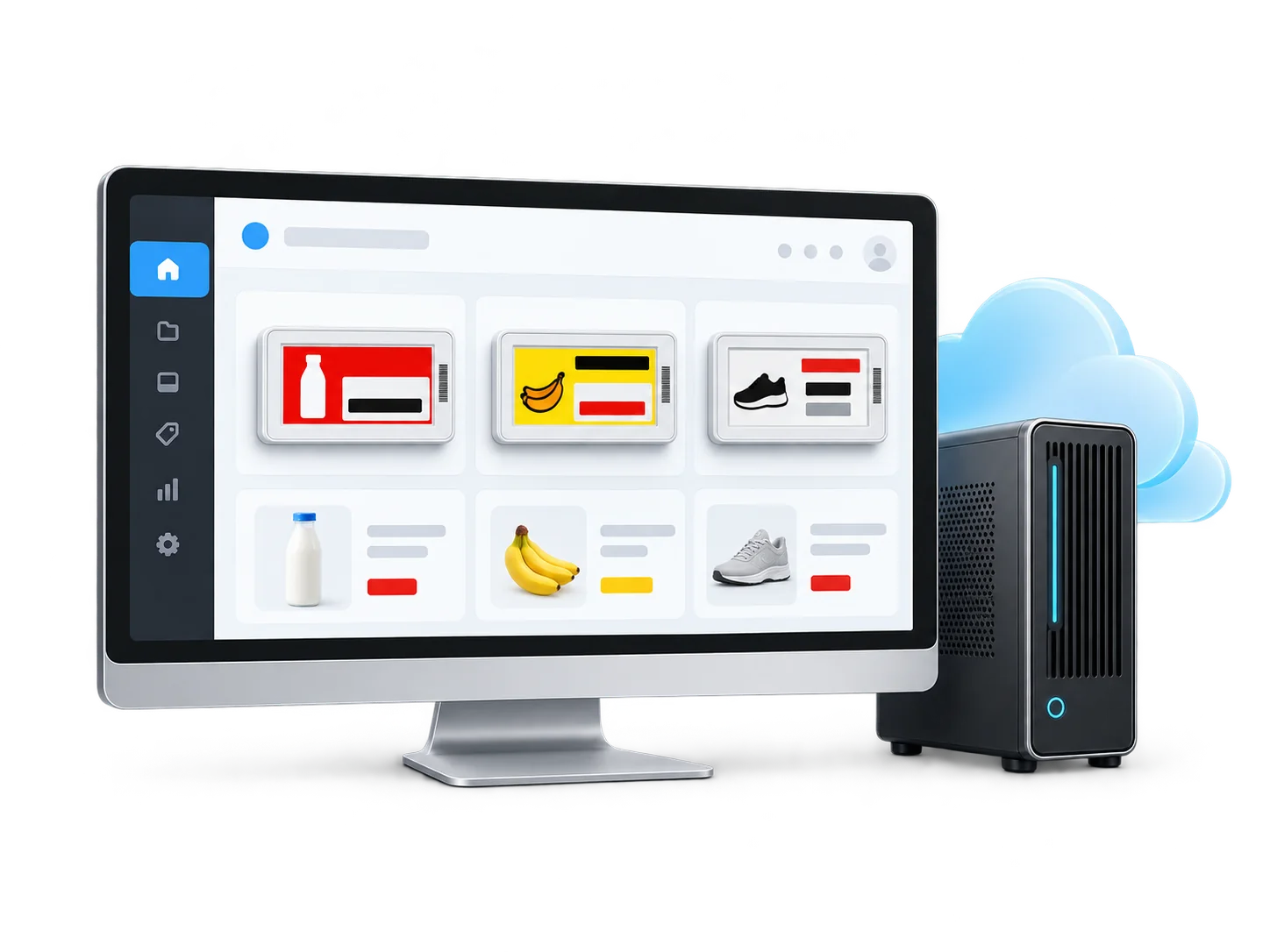
The four nodes show customer ERP/POS/WMS integration, the UROVO ESL management platform, a matching ESL base station, and electronic shelf labels. Integration can use APIs or separately developed middleware; this diagram abstracts those details. Platform deployment can be cloud or local. Store-side execution status returns to ESL management. The diagram does not imply automatic write-back to every customer system or instant, unconditional price synchronization.

Sources: materials/ESL(Electronic Shelf Label)产品与方案介绍.md, architecture and control logic; materials/esl_product_introduction_and_scenario_advantages.md, sections 5.2 and 5.3; the supplied F24A7 base-station specification and ESL overview presentation.

All four node images were generated with built-in image_gen on 26 October 2026. Base-station and tag appearance references were extracted from slides 10 and 8 of the supplied ESL-Presentation-EN-0514.pptx. The images are conceptual renderings, not actual software screenshots, certified product drawings or customer installations. Generated assets, appearance references and full prompts are retained in presentation/assets/; see slide-05-architecture.prompt.md. The $4.99 to $3.99 update is illustrative. Connectors, prices, highlighting and captions are editable HTML/CSS.

Slide 6: management platform features and screenshot

The center image is the original dashboard screenshot supplied by the user on 26 October 2026, retained unchanged as presentation/assets/slide-06-platform-dashboard.png. Its visible counts and charts are demonstration data, not customer scale, uptime or performance claims. Click the image to inspect it at a larger size.

The six feature titles and descriptions use the user-supplied copy: Seamless Integration; Centralized Management; Remote & Batch Updates; Customizable Templates; Device Monitoring; Automated Alerts. The small card diagrams illustrate these capabilities. Sample prices, status symbols, retries and email indications are conceptual demonstrations, not live integrations or actual notifications. Feature behavior depends on deployment and configuration; this presentation does not perform any backend operations.

Slide 7: ESL technology choices

This page compares choices across the ESL product category, not a list of technologies all supplied by UROVO. User-supplied content and size bands were adapted into three visual comparisons. Diagonal size ranges are presentation groupings rather than an industry standard. Drawings, barcode/QR patterns, prices and brand names are illustrative, and physical proportions are schematic. Screen colors do not depict calibrated reflectance, actual image quality or refresh speed. Barcode and QR patterns are not functional codes.

Display: monochrome e-paper suits clear price, barcode and product information. Tri-color adds an accent such as red or yellow. Four-color in this comparison means black, white, red and yellow. Multi-color e-paper supports richer brand imagery, with cost and refresh behavior depending on the panel and operating conditions. LCD is a different display technology, shown separately from the e-paper examples. It supports dynamic content and typically needs a continuous external power supply in shelf-signage applications. Display color count alone does not determine whether a label can show logos or images. Advantages, trade-offs and example use cases follow the user-supplied outline.

Communication refers to the label-to-access-point connection, not the access point's connection to the ESL platform. Infrared uses optical communication and can be affected by obstructions and deployment geometry. Proprietary 2.4 GHz protocols do not necessarily use Bluetooth LE, though some vendors use a private BLE protocol. Vendor optimization and ecosystem compatibility vary by implementation. Wi-Fi label/display applications can simplify IP integration but usually involve a higher power budget than low-power ESL radio designs. This does not characterize all Wi-Fi technologies or all duty cycles.

Bluetooth LE in this comparison refers specifically to the standardized ESL approach. Bluetooth Core 5.4 introduced PAwR and EAD, while the ESL Profile and Service define application behavior. A Bluetooth version number alone does not guarantee support for the necessary features, interoperable ESL operation or compatibility with a specific platform. Both label and access point require compatible implementations.

Size use cases from the user outline: small displays suit dense shelves, convenience stores and pharmacies; medium displays suit ordinary supermarket and retail pricing; large displays can add detailed product information for electronics and appliances; extra-large displays suit promotions and brand presentations. Larger diagonals do not imply a fixed resolution or content capacity. Main-slide copy is intentionally condensed.

Technical sources, consulted 29 October 2026: Silicon Labs: ESL wireless solutions; Bluetooth SIG: benefits of the ESL standard; Bluetooth SIG: ESL Profile. Other qualitative comparisons and illustrative size ranges come from the user's 29 October outline.

Slide 8: market history and forecast sources

The solid historical series uses PW Consulting's public 2020–2025 revenue estimates: USD million 980.00, 1,075.06, 1,331.05, 1,523.97, 1,677.49 and 2,150.00, respectively. These are third-party market estimates, not audited industry totals. The source table was checked on 29 October 2026.

The dashed forecast series and the revenue/CAGR headline metrics use Global Market Insights, October 2026, report GMI1136. The chart retains USD 3.5 billion for 2026 and USD 10.28 billion for 2035. The two providers have different methodologies. Their published points are connected for a continuous presentation trend, not a consistent-method year-on-year growth calculation. The solid line runs through the current year, 2026, and the dashed line covers 2026–2035. The 2026 value remains an estimate. Historical estimates are not rescaled to the forecast. No intermediate GMI annual values are invented. Both series share a zero-based linear revenue axis and a proportional calendar-year axis.

GMI's published CAGR does not reconcile with nine-year compounding of its forecast endpoints. The curve therefore does not model annual compounding at 13.9%. The 470M display-unit headline was supplied by the user on 29 October 2026; it replaces the previous approximately 500M figure. The existing 2025 commissioned-unit label is retained. Sources, dates and methodological scope remain here for reference; the slide itself uses plain year labels and a compact presentation layout.

Underlying chart observations are retained in assets/market/market-revenue-series.csv. Each observation records its source and historical/forecast status.

Slide 9: competitor evidence and scope

Vusion, Hanshow and SOLUM shares follow GMI's 2025 estimates. Pricer's approximate 10% is user-supplied; the accessible GMI report does not separately specify its share. These are not shipment-share calculations. Selected strengths are areas of emphasis, not exclusive capabilities.

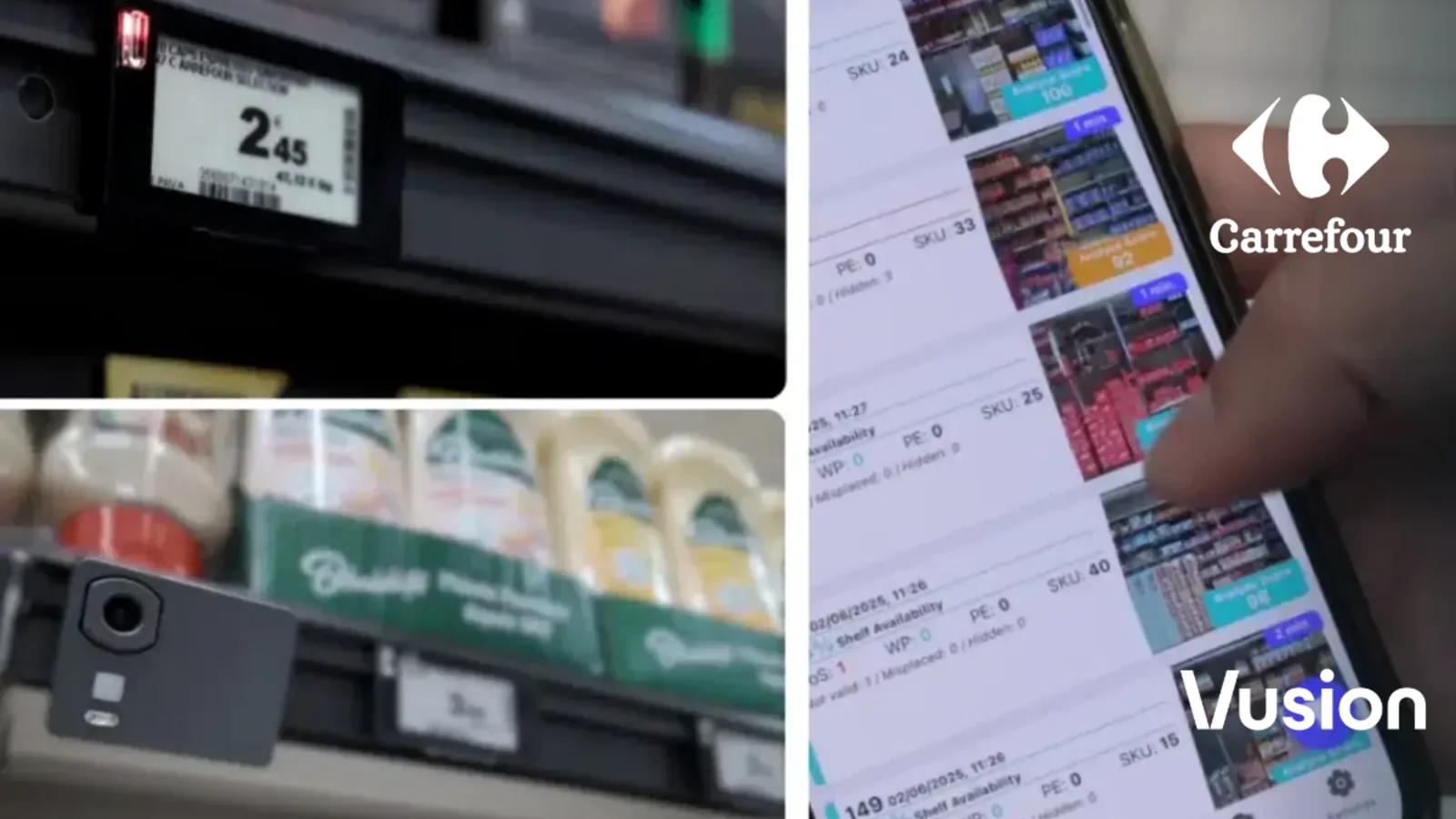
Vusion: current brand of the company previously known as VusionGroup. Q3 2026 results, 20 October 2026 report approximately 612 million cloud-connected ESLs at September end. This is an installed cloud base, not annual shipments. Computer Vision & AI describes shelf-image analysis, out-of-stock detection and prioritized store actions. Carrefour partnership, 18 February 2026 confirms Carrefour and references the Walmart deployment.

Hanshow: its official homepage states deployment in over 55,000 stores in 70+ countries. Tesco announcement, 24 June 2026 describes a multi-year UK rollout. Its official Business Cases menu identifies Intermarché. Store and country counts are company-reported deployment footprints, not annual unit sales.

SOLUM: official Newton lineup covers multiple sizes and specialized formats. The 2024 ESG report describes fast Newton updates and up to ten-year battery life. Battery endurance depends on model, update frequency and temperature. Lowe's case study and Currys' announcement, 10 September 2025 establish the selected customer relationships.

Pricer: its official homepage dates establishment to 1991 and identifies Carrefour and Canadian Tire as customers. Its optical wireless description specifies near-infrared communication, separate from radio-frequency Wi-Fi and Bluetooth bands. This does not imply that Pricer supplies only infrared solutions or lacks a cloud platform.

Logos and product visuals originate from official company or retailer pages. See assets/market/assets-manifest.json for exact URLs and hashes. Pricer's original inline logo path artwork is retained, with viewBox case normalized for standalone SVG rendering. The Tesco logo is framed from the original co-branded announcement image, preserving the wordmark. Product renderings are vendor illustrations. Customer logos identify cited relationships, not exclusive worldwide supply. Footprint numbers compare different labeled measures and are not equivalent metrics. Sources accessed 29 October 2026.

The parenthetical 200M+ and 100M+ ESLs/year figures and the SOLUM figure of 45,000 ESL refreshes per hour were supplied by the user on 29 October 2026. The annual volumes are separate from the GMI market-share estimates and are not used to calculate those percentages. No specific reference year or refresh-test configuration was supplied. SOLUM's displayed emphasis is update throughput rather than battery endurance.

Slide 10: regional markets and case images

Presentation copy updated at the user’s request: the map heading reads 2026 MARKET MIX; the underlying regional shares cited below are from GMI’s 2025 mix. The approximate 200M ESL figure and Latin America CAGR of 16.7% were supplied by the user. Europe’s message emphasizes sustainability and reducing paper waste.

GMI, October 2026 supplies the 2025 regional mix. North America: USD 980m / USD 2,800m = 35%. Europe: 32%. Asia Pacific: USD 784m / USD 2,800m = 28%. Latin America: 3%. Middle East & Africa: 2%. These are shares of estimated global market revenue, not unit shipments. The commercial North America grouping here centers on the U.S. and Canada, while Mexico is included in Latin America. APAC includes more than China, Japan and Korea; those are highlighted examples.

Descriptions such as accelerating rollouts, upgrades, differentiated local requirements and early-stage expansion are presentation summaries of the regional analysis and cited deployments, not uniform maturity ratings for every country.

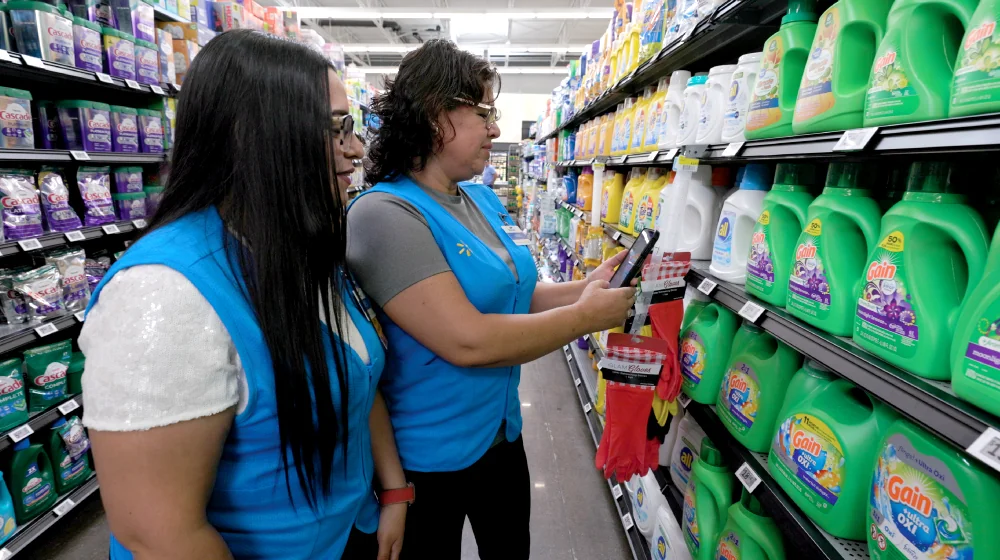
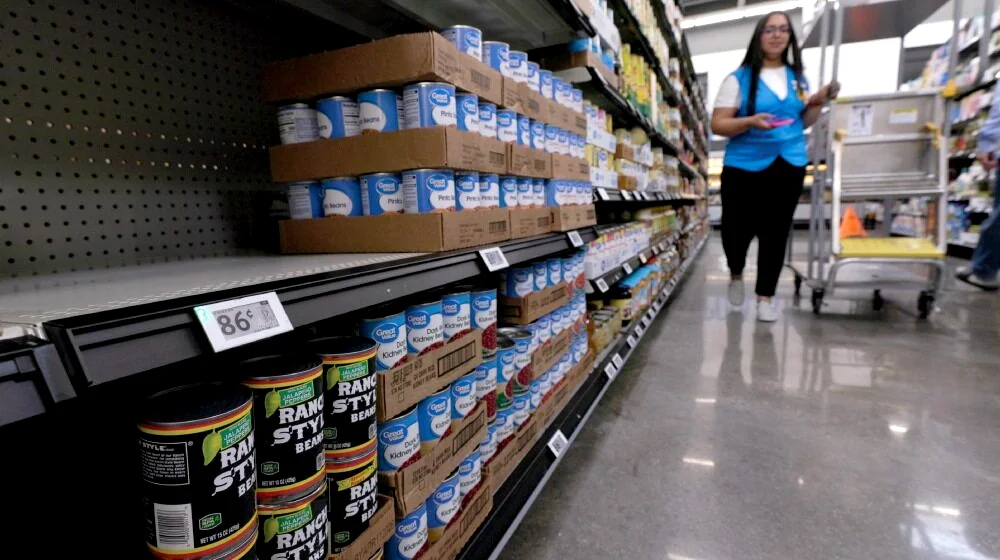
North America: Walmart, 2 March 2026, reports roughly 2,300 U.S. stores already using DSLs and further chain-wide expansion. The count is dated March 2026, not a claim of the current installed count. Image: original official article lead photograph.

Europe: Carrefour–Vusion announcement, 18 February 2026, describes a plan to digitalize French hypermarkets and supermarkets by 2030 using ESLs, smart rails, cloud management and AI-driven cameras. The original joint announcement image is retained. This is a planned program, not a claim that all stores have already completed deployment.

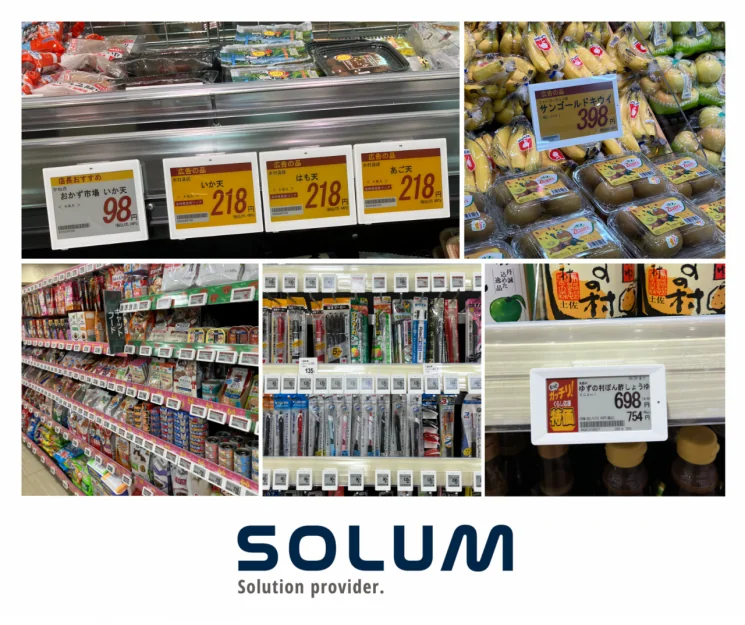
Asia Pacific: Asia Business Daily, 22 November 2024, reports SOLUM ESL contracts in Japanese supermarket/cooperative formats. Its image is credited to SOLUM and depicts Japanese ESL applications. It is used as a representative regional deployment visual, not as evidence that all APAC countries follow the same adoption trajectory.

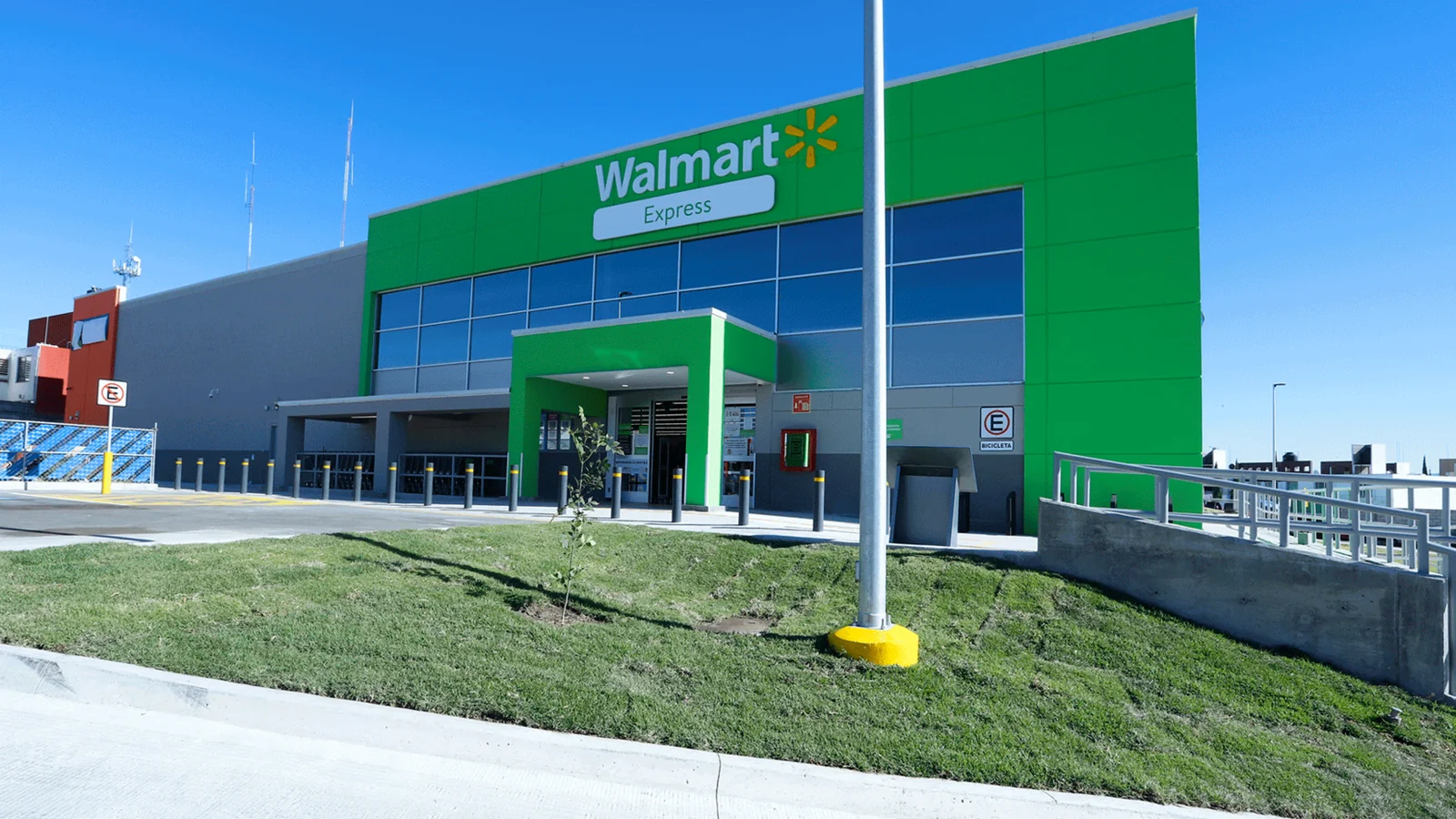
Latin America: Vusion, 30 March 2026, announces Walmart Express deployment in Mexico with more than 1.7 million ESLs in the initial program. The figure describes announced scope, not completed installations. Original Walmart Express exterior image comes from that announcement.

Map geometry: Natural Earth public-domain country boundaries, 1:110m, excluding Antarctica, projected with Natural Earth I using D3 Geo 3.1.1. Country shading is a simplified visual grouping for regional navigation, not a country-by-country revenue allocation or a statement of political sovereignty. Original GeoJSON, map SVG, image provenance and D3 licenses are retained in assets/regions/. No remote map or data service is required when viewing the deck.

Slide 11: applications across industries

Decorative industry photographs are stock scenes, not evidence of UROVO customer installations. Original photographs remain unmodified; crop, desaturation, opacity and light masks are applied in CSS. Sources and file hashes are retained in assets/applications/scenes/sources.json.

Industry categories, example settings and use cases follow the user’s supplied application table. Wording is condensed and translated into English. The 90% retail application figure is user-supplied and serves as the presentation’s market emphasis; no reference year, geographic scope or measurement basis was supplied.

Industry icons: Google Material Symbols Outlined, Apache License 2.0. Original SVG files, provenance and license are retained in assets/applications/. This page has no animation or internal presentation steps.

Slide 12: Walmart industry case study

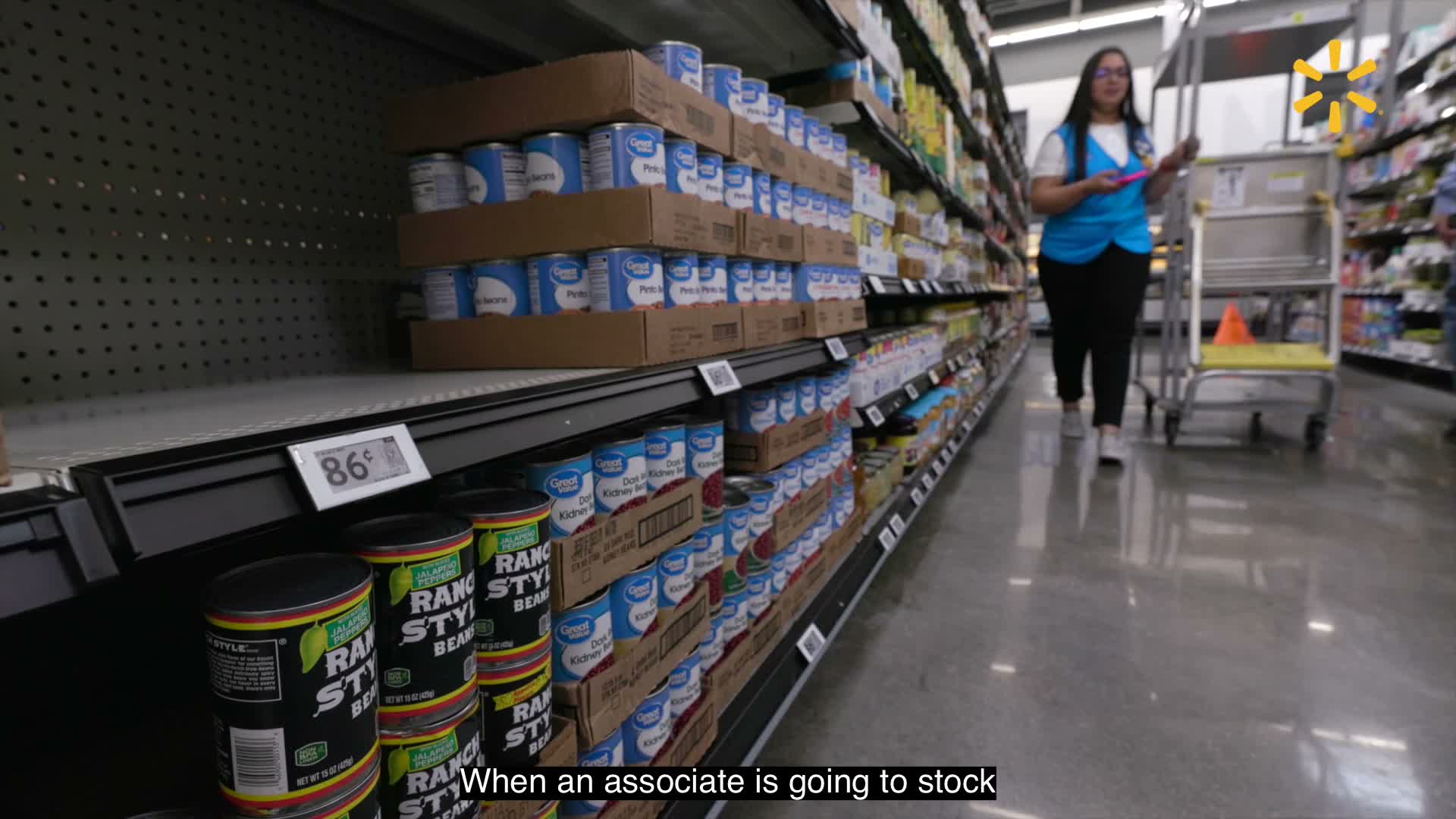
Video source: the publicly offered Associate Story video (Vimeo ID 954102406) from Walmart’s original article and press downloads. The complete official source, including its original stereo soundtrack, replaces the user’s silent screen recording. Saved source: resources/ESL-Walmart-official-with-audio.mp4. Web copy: assets/walmart/ESL-Walmart-video-audio-web.mp4, 1280 × 720 H.264 with AAC stereo, MP4 fast-start and on-demand loading. Source and audio/video timing are preserved together; this is not a separately dubbed recording.

This is a Walmart industry example, not a UROVO customer deployment. The operating-scale, deployment dates and efficiency comparison follow the user’s supplied presentation material. As requested, this edit does not reverify those figures. Displayed figures: 120,000+ products per store, thousands of weekly price changes, 2,300 U.S. stores live in March 2026 and 4,600 U.S. stores planned for 2027. The two-days-to-minutes comparison describes the price-update task, not an independently calculated financial ROI.

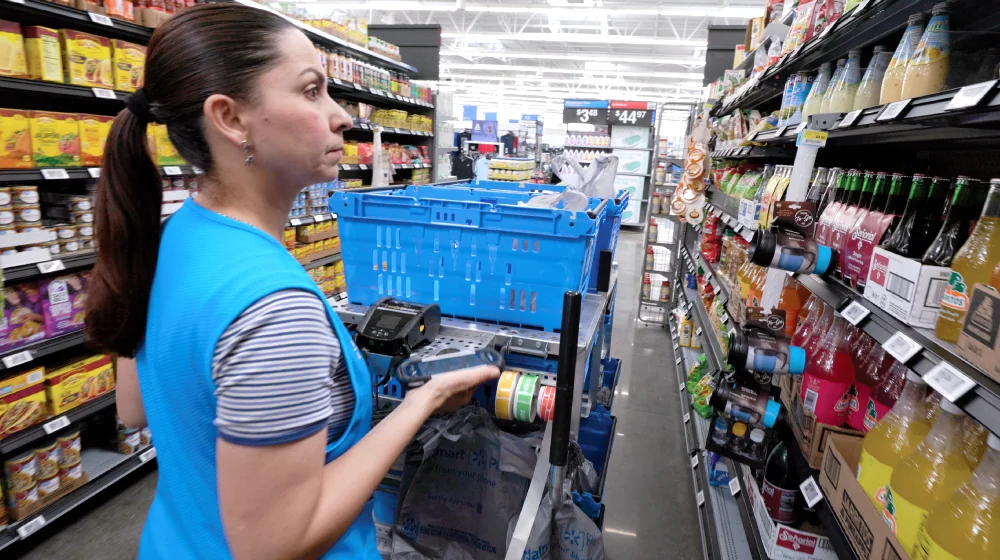
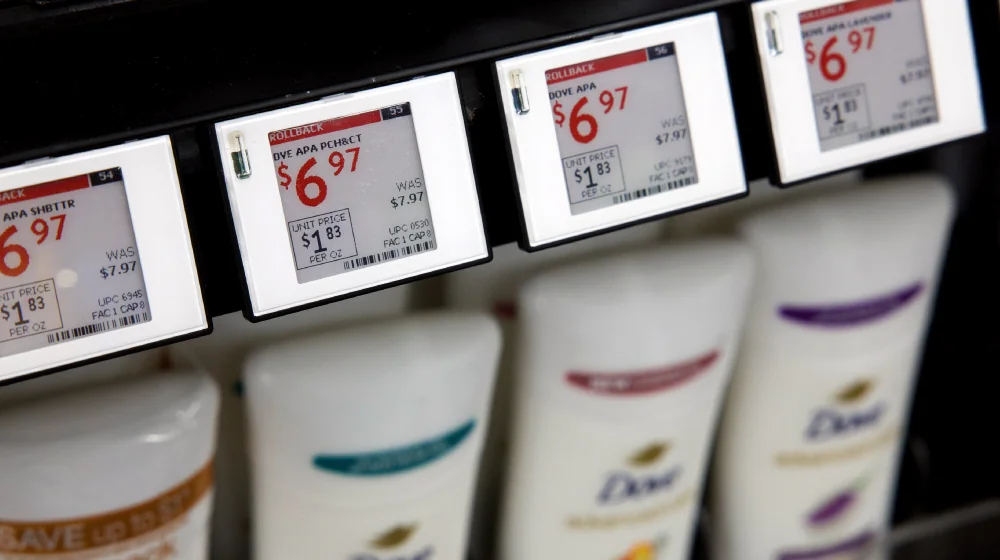
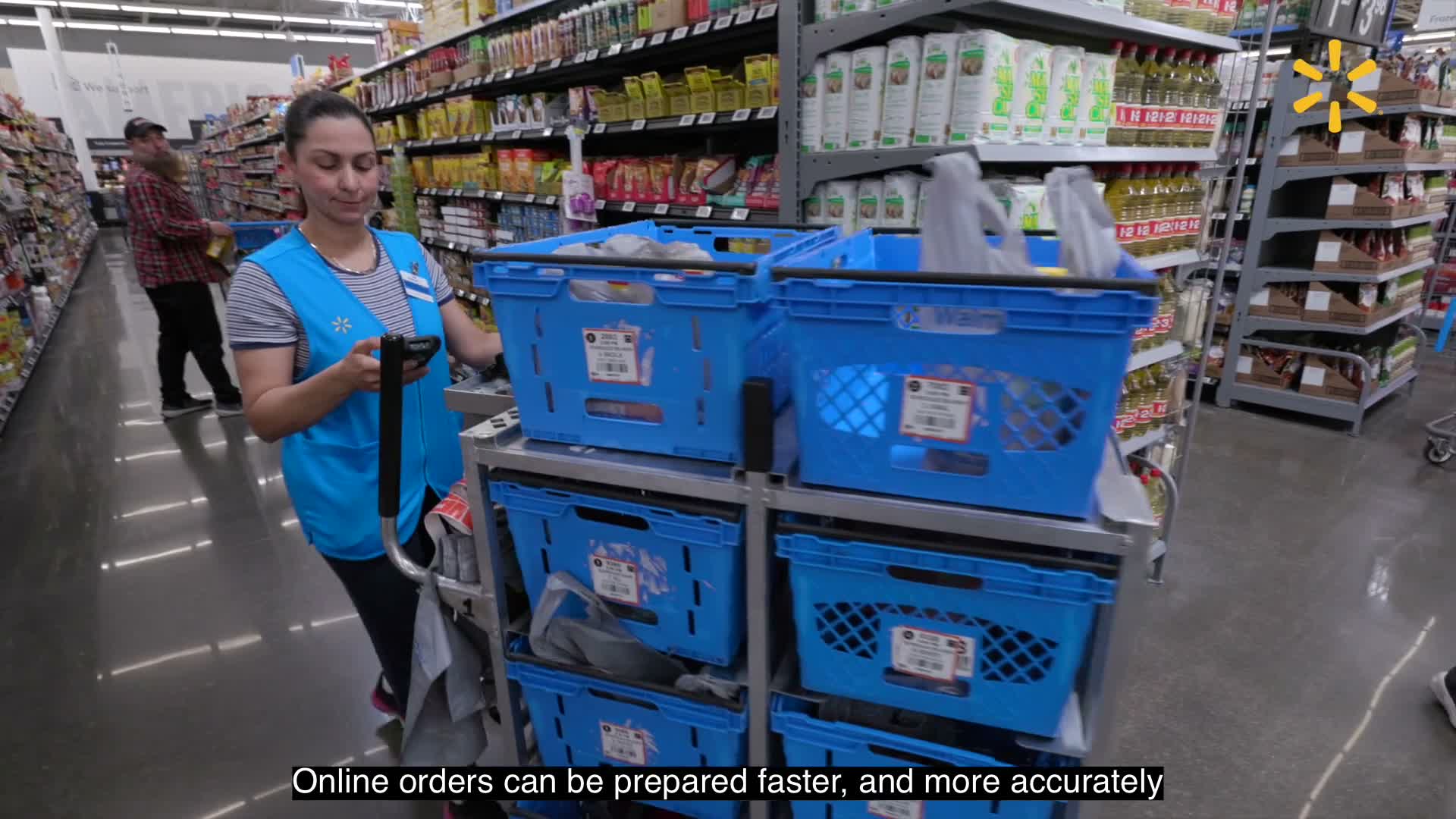
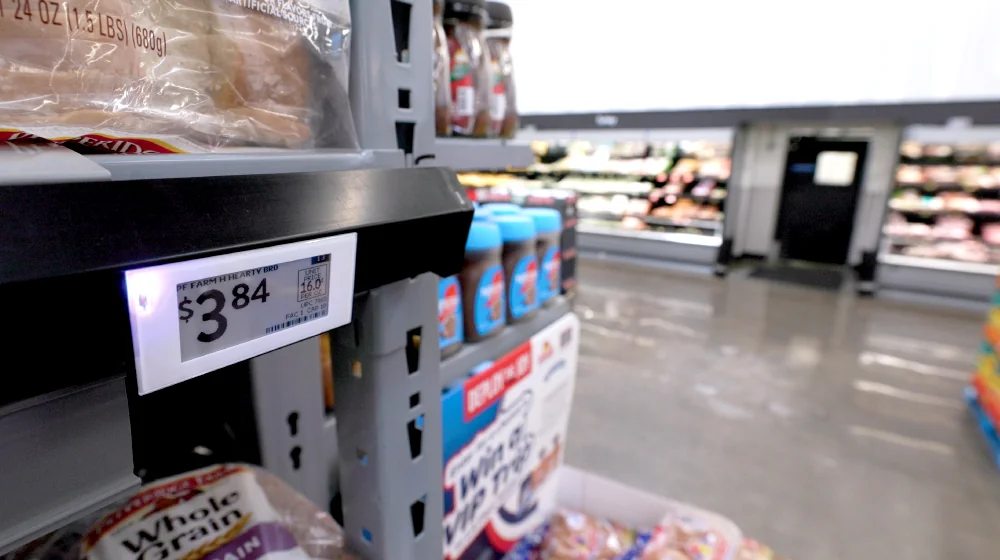
Photographs come from Walmart’s corporate newsroom image set, 6 June 2024. Main photograph: associates-scanning-digital-shelf-label.jpg. Supporting photographs: associate-using-stock-to-light.jpg, associate-picking-an-online-order.jpg and digital-shelf-label-rollback.jpg. These are original photographs with CSS cropping only. No blinking lights or other effects have been added to the images. Walmart’s existing logo asset is reused unchanged. Image source URLs, dimensions and hashes are saved in assets/walmart/assets-manifest.json.

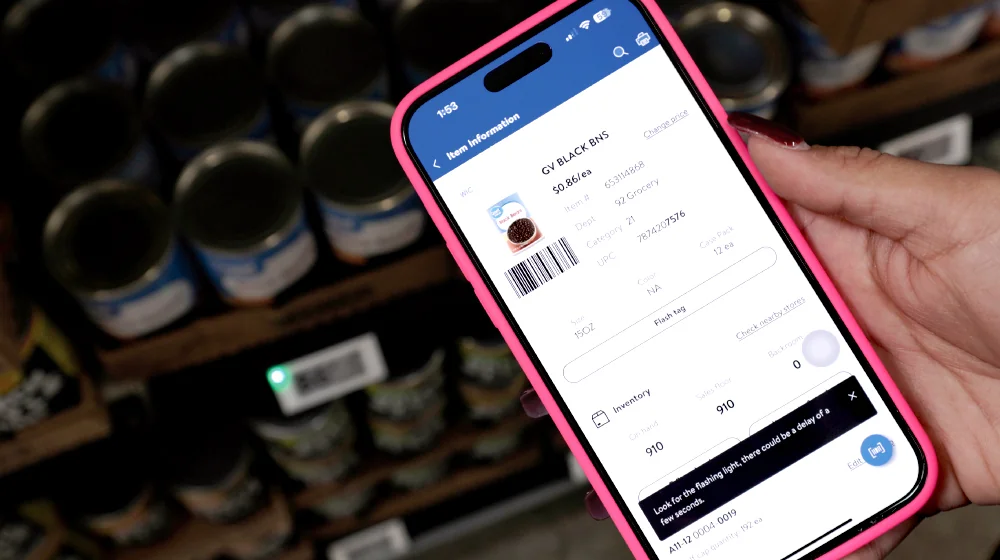
Stock to Light supports replenishment location finding, Pick to Light supports online order picking, and reusable shelf displays reduce repeated paper-label printing and replacement. This page is static and has no internal build steps.

Slides 13–15: Walmart operational workflows

The workflows, pain points and benefits follow the user’s supplied material. They are simplified explanations of price management, Stock to Light and Pick to Light. The head-office and platform price diagram, location-code readout and example order are editable explanatory diagrams, not screenshots of Walmart’s production systems. Price values $4.99 and $3.99 and example location codes are illustrative. Price consistency depends on coordinated business-system integration; fewer errors and lower manual workload are qualitative operational benefits, not separately measured financial ROI.

Walmart’s official Associate Story video provides the 120,000+ product context, thousands of weekly price updates, the reported two-days-to-minutes price-update comparison and examples of Stock to Light and Pick to Light. The original source and images are from Walmart’s corporate newsroom. No new deployment dates or performance measurements have been added.

New scene assets: original video frames at 40 seconds (price label), 86 seconds (replenishment shelf) and 64 seconds (order picking); plus official photographs associate-scanning-digital-shelf.jpg and digital-shelf-with-pick-to-light.jpg. Original images and frame pixels remain unchanged; framing is controlled by CSS, including cropping embedded subtitles where needed. Source files and hashes are retained in assets/walmart/workflows/sources.json. The traditional price-flow background reuses the existing AI-generated paper-label scene only as a faint background.

The example pick list contains Bread ×3, Milk ×1 and Cola ×2. Bread is highlighted to match the official illuminated bread-label photograph. The native quantity panel demonstrates the scan-and-confirm step; it does not claim to reproduce an actual Walmart order. Light effects in the photographs are original; only the separate diagram status dots pulse briefly. Each of these three slides is fully visible immediately and has no manual build steps. On slide 13, all three store labels simultaneously show $4.99, then $3.99, with a 0.22-second crossfade. The state changes once per second and the full two-state cycle repeats every two seconds. There is no left-to-right highlight. The price-consistency check appears only when the updated $3.99 state is visible. The loop stops when the slide is hidden, a dialog opens or reduced motion is requested. The signal indicators on slides 14–15 stop pulsing within 3.75 seconds. Reduced-motion mode shows the static final diagram.
Slides 16–17: Tesco scale and promotion example

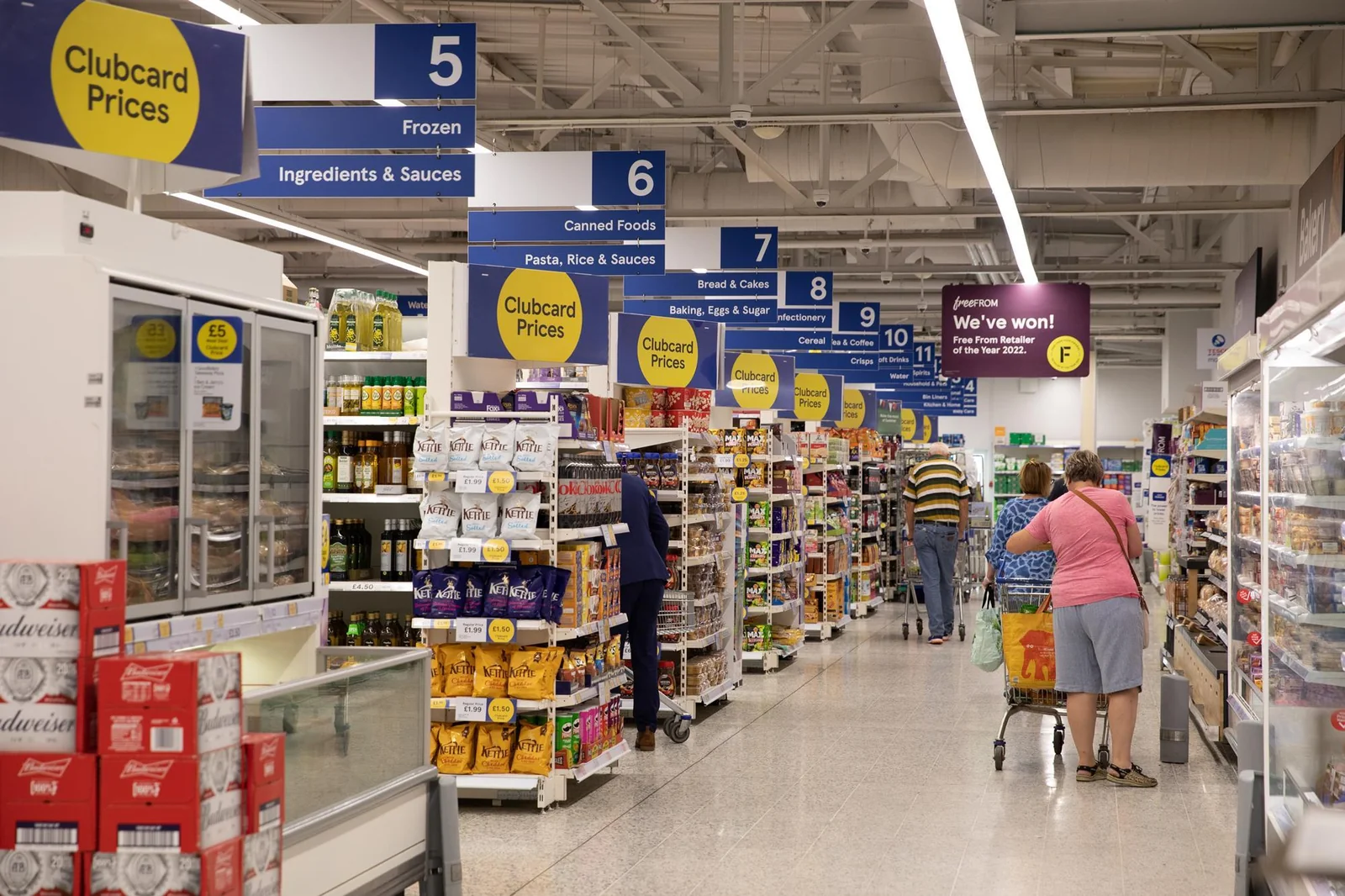
All project facts follow the user’s supplied material: Tesco is one of the UK’s largest food retailers; estimated 55–65 million ESLs across approximately 3,000 UK stores; approximately 18,300–21,700 labels per store; about 30 years of interest and evaluation; 2025 in-store PoC involving VusionGroup and Hanshow; and Hanshow’s selection in 2026 as exclusive UK supplier. The user cites Retail Optimiser, 15 June 2026, for the supplier-selection account. These facts have not been independently reverified for this edit. Estimated volumes and planned store coverage are clearly distinguished from completed deployment. The slides do not infer why one supplier prevailed.

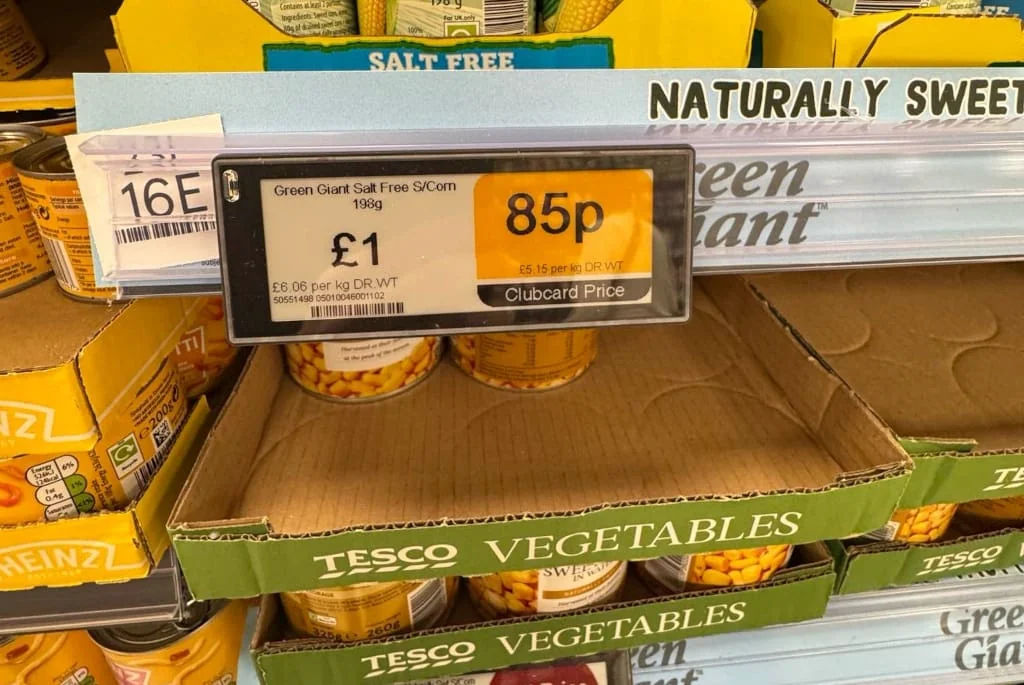
The Tesco store-context photograph comes from The Grocer. The close-up is a Tesco ESL pilot photograph from Retail Optimiser’s pilot coverage; its filename identifies VusionGroup. It illustrates the trial stage and does not claim to depict completed Hanshow deployment. The Tesco mark uses CSS cropping of the unmodified existing Tesco–Hanshow partnership image. Supplier logos remain original assets.

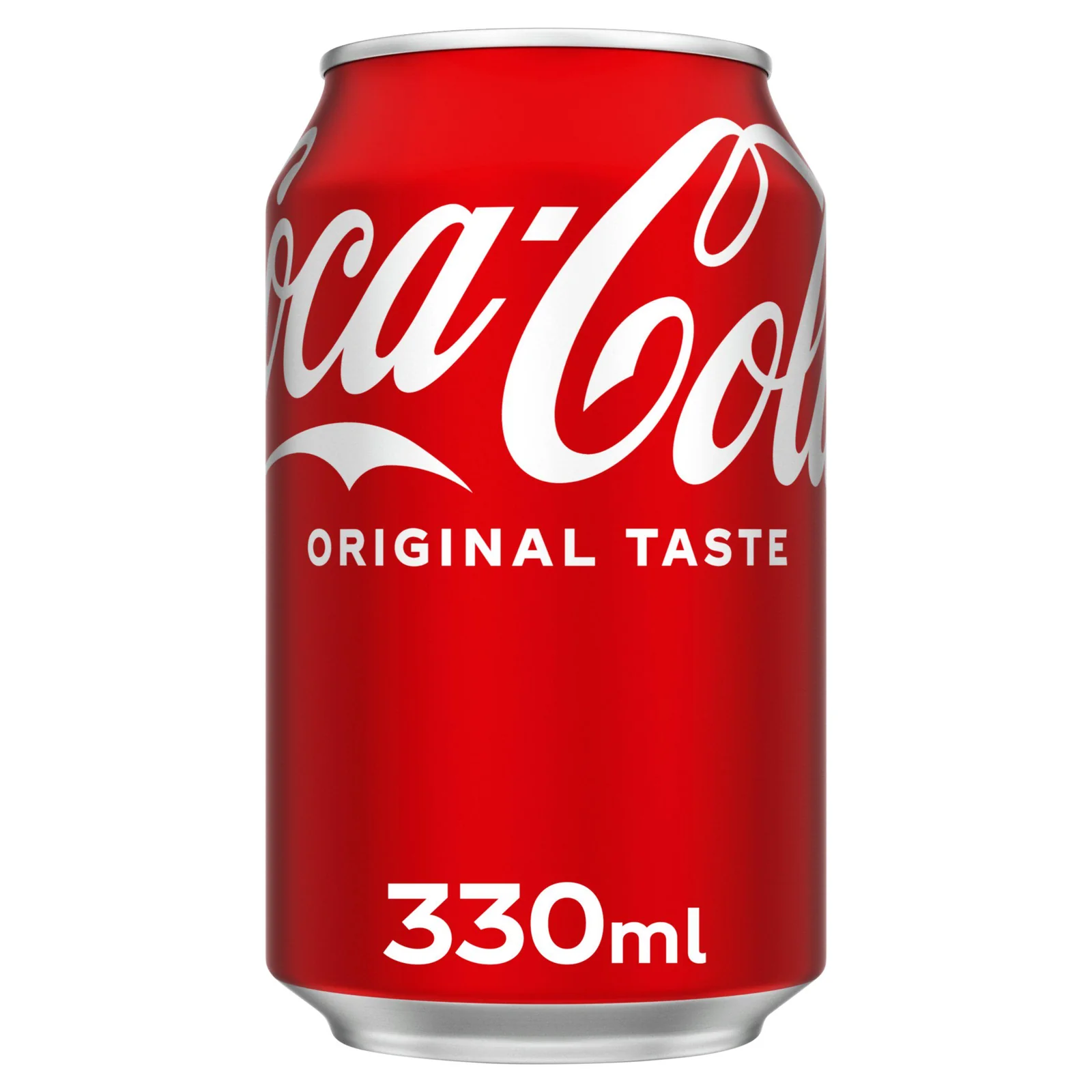
Slide 17 is an editable promotion diagram, not a screenshot of Tesco’s production price templates. The user’s Coca-Cola example uses £2.50 Monday–Thursday, £1.99 Friday–Sunday and £2.50 again the following Monday. These are illustrative prices, not an assertion of a real Tesco offer or Clubcard promotion. The generic yellow offer template is illustrative. The same product image repeats deliberately to compare the same item across time. Product photograph from Sainsbury’s product imagery, used only as a packshot, not as Tesco pricing evidence. Scheduling refers to backend pricing and promotion rules that publish updates at the planned start and end; it is not a claim that ESL hardware independently decides promotions. Image provenance and hashes are retained in assets/tesco/sources.json.
Both pages are fully visible immediately and have no internal navigation steps. Slide 17 automatically highlights Monday–Thursday, Friday–Sunday and the following Monday in sequence, changing once per second. The loop pauses when the page is hidden or a dialog opens, and restarts from the first stage on return. Reduced-motion mode and printing show the complete static comparison.

Slide 18: PTSN warehouse inventory management

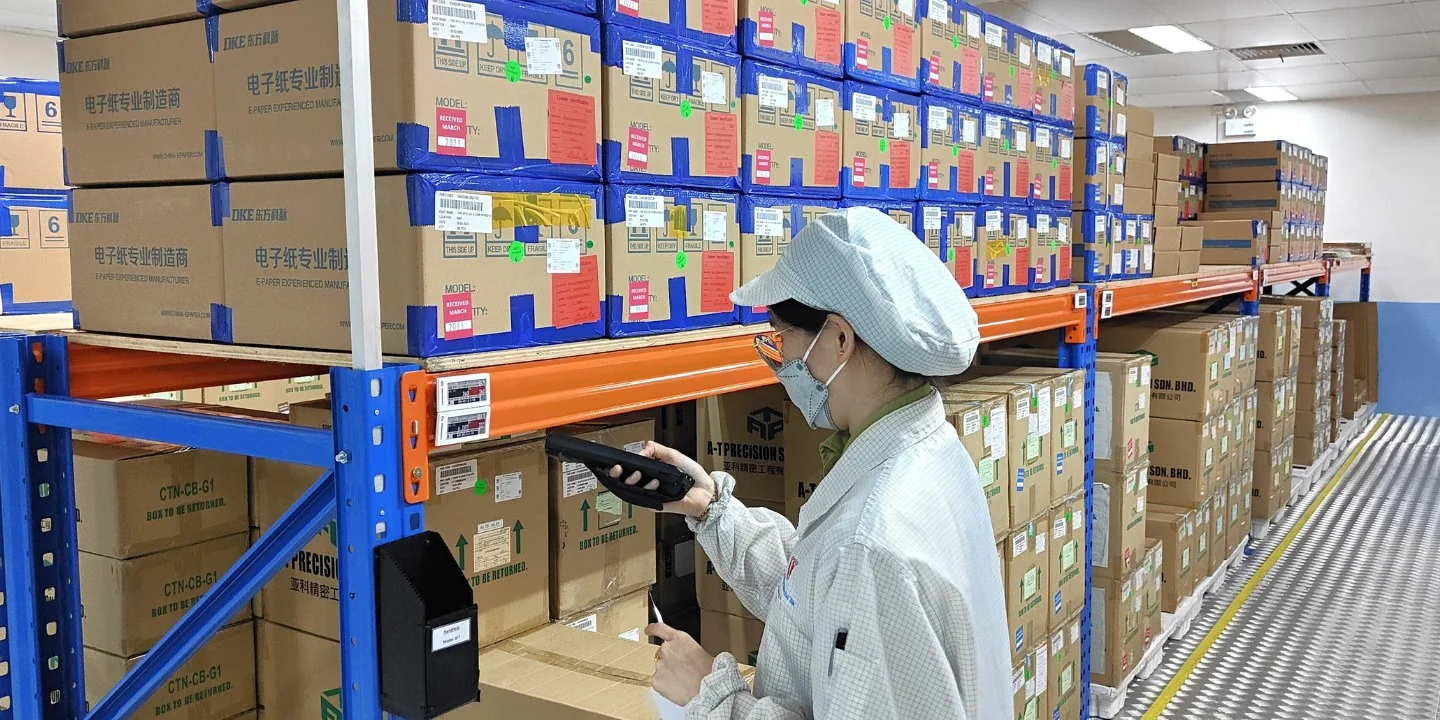
Source: DIGI: PT. SAT NUSAPERSADA Tbk, ESL InfoTag / IB-3700 case study. PTSN is an Indonesian electronics manufacturer. This is a DIGI customer case used as an industry example, not a UROVO deployment.

The case describes an existing digital inventory management solution with a gap between the system and physical stock. Over 400 InfoTags were installed in the warehouse to replace manual stock-card handling. Operators scan the relevant InfoTag barcode when receiving or issuing materials. Inventory transactions update the system, and the ESL displays current part number, material quantity, date and time. The simplified four-step diagram explains this human-operated transaction flow. It does not imply that the ESL automatically counts materials, detects physical movement or updates inventory from a barcode scan without transaction data.

The +80% warehouse productivity result is a customer-reported figure from PTSN, attributed on the slide. DIGI quotes quality manager Foo Fuiling and repeats the figure in its results section. The article does not specify its measurement methodology, so the slide does not translate this into labor reduction, time saved or a financial ROI.

The case also says PTSN decided to deploy 300 additional tags in other departments, including SMT stencil cleaning-status tracking and production-line material bins. Those additional tags are excluded from the displayed warehouse count. LED guidance is described for locating stencil racks, and is not added as a claimed feature of this warehouse transaction flow.

Both photographs are original images from the same DIGI case: PTSN 01.jpg shows PDA use at the warehouse rack, and PTSN 05.jpg shows the inventory labels in close-up. Original pixels are retained with CSS cropping only. Source URLs and hashes are recorded in assets/ptsn/sources.json. This page is static and has no internal navigation steps.

Slides 19–20: sales opportunity and field validation

These two pages summarize the user’s internal sales guidance and project experience. The target-customer recommendations are a proposed initial UROVO sales focus, not a measured market segmentation. The 10–100-store range is a reference profile for regional chains, not a strict qualification threshold or a claim that all such retailers decide quickly. The market-growth framing refers to the earlier market chapter. No claim is made that established suppliers cannot serve smaller customers or that a specific share of the market is reserved for UROVO.

The user’s intended priority is existing UROVO PDA customers, solution integrators and regional supermarket, convenience-store or pharmacy chains with real repricing needs and a viable budget. Budget-sensitive prospects should be qualified on total project cost and operating value, not a claim that UROVO has the lowest hardware price. Per-store sizing should count actual label positions and repeated product displays, not assume SKU count always equals tag count. Customer discussions should also establish system integration readiness, business and IT owners, and deployment/service responsibilities.

Platform adaptation and close collaboration are potential selling points. The slide does not claim unlimited customization or superior flexibility to all mature ESL suppliers. New functionality requires feasibility, scope, timing and cost evaluation. API and SDK integration is also available from established providers, including Vusion’s partner platform.

The six-step journey reflects the user’s clarified CitySuper account: CitySuper uses DN’s software services, and UROVO entered through that relationship as the ESL solution provider. No expansion of the DN name or additional contractual relationship is inferred. Initial discussions establish customer needs and pain points and explain the operating value of ESL before on-site demos. Demo iterations then test the proposed solution and refine it from feedback; installation, integration, training and debugging prepare a usable trial. Before testing, the parties should agree scope and acceptance criteria such as actual coverage, correct label updates, end-to-end timing, templates and exception handling. Acceptance precedes order confirmation and a phased rollout. The diagram does not assert that all stages have already been completed on the photographed project or that any commercial order has been awarded.

The Wi-Fi, alerts and automatic-template items are customer requirements reported by the user. They are not proof, by themselves, of delivered functions or a completed migration. The user explicitly identifies these photographs and project experience with the CitySuper sales and PoC journey. The storefront photograph visibly shows LOG-ON. The slide follows the user’s project attribution without independently inferring exact store location, project dates or the identities and roles of the people pictured.

Both photographs were supplied by the user in this conversation. Original photographs remain unchanged, with CSS cropping only in the slide. Clicking either photograph opens its full original. The source attachment filenames, dimensions and hashes are retained in assets/sales/sources.json. Both slides are static and have no manual build steps.

Slide 21: interactive product and solution FAQ

All 21 answers summarize the user-provided Chinese FAQ notes, retained as assets/faq/source-notes-zh.txt. Source attachment and hash are recorded in assets/faq/sources.json. These are internal product and sales references, not newly verified independent measurements. Questions are regrouped as Product & Features (8), Deployment & Integration (6), and Platform & Operations (7).

The supplied notes use approximately 5+ years for battery reference and 0–40°C for standard operating temperature, while earlier user-directed overview copy quotes 7+ years and −20–60°C. The FAQ keeps model/usage confirmation beside the battery and temperature claims and does not assert that every SKU has identical ratings. Earlier slides remain unchanged. Development-stage 5.8-inch and 10-inch models are distinguished from the current listed range.

Million-level AP capacity is presented as theoretical, not a store deployment promise. Around 30 m and 3,000 m² are early planning references and cannot determine AP counts without a site survey and tests. Single-label updates of about 20 seconds, around 30 minutes for a 1,000-label batch and around 10 retries are source-note references subject to actual conditions and configuration. Hosting and server storage / RAM estimates remain visibly conditional. No universal storage-per-label rule is implied.

All answers are editable HTML. The routing, rendering and retry diagrams are simplified explanatory flows. The FAQ page has no sequential build steps. Each button opens one answer, with native modal focus behavior; Close, Escape or the backdrop dismisses it and returns focus to the question. Slide keyboard navigation is blocked while an answer is open.

FAQ

Frequently Asked Questions

Retail Fieldwork

Full-size project photograph

PTSN Inventory Labels

Original photograph of two DIGI inventory labels on a PTSN warehouse rack, showing material details, stock quantities and update records.

ESL Management Platform

Full-size supplied ESL management platform dashboard

Walmart · ESL in action

Presentation settings

Choose which slides to show for your audience.